Specifications & evidence
Be clear about the product and the requirement
A useful specification connects the chosen style with the material, dimensions, components and evidence that matter to the enquiry.
Start with the exact product and option. Record what is clear and identify what needs confirmation. A detail from another style or a general collection description should not silently become the specification for your selected item.
Discuss Your Specification Requirements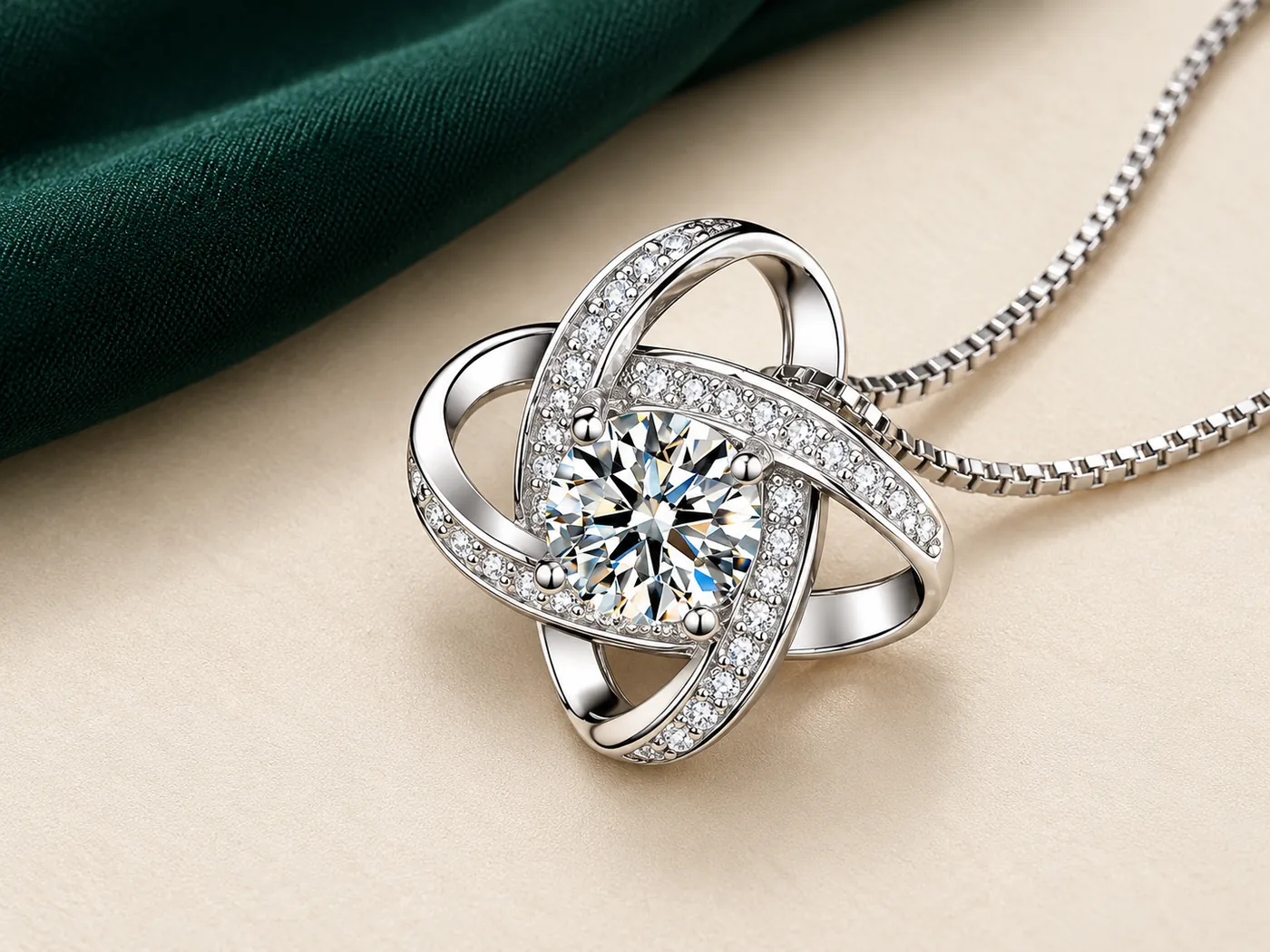
Identity & contents
Product link, full option label, selected photograph and the components supplied with one item.
Materials & dimensions
Base material, surface treatment, relevant measurement endpoints and decorative-component descriptions.
Required evidence
The particular claim, intended market or use, and documents or sample details you need reviewed.
A document category is not the document
Test Certificate or Third Party Appraisal in a product table does not itself supply a report. If testing or appraisal evidence is needed, ask for the actual record and how it relates to the selected item.
What needs support?
Name the material, performance, stone or other question that matters. Keep an ordinary product description separate from an additional grade, origin or testing requirement.
What does it cover?
Check the document's subject, product identification, scope and date. Ask for clarification if the link to the selected style, component or relevant batch is unclear.
Does the scope match?
A familiar material term, cut or photograph does not independently establish a stone grade, natural origin or the testing result required for your item.
Where descriptions disagree, identify the exact issue before approving the specification. For example, conflicting diamond and zircon descriptions need selected-product clarification rather than an assumption that the more specific-looking title is correct. Sparkle in a photograph does not resolve the identity or grade.
Read decorative-material boundariesKeep claims within their selected-product scope
Contact materials & performance
If allergy-related, nickel-related, waterproof or tarnish-free information is important, identify the selected item and the conditions or evidence required. A statement on one product does not establish the same description for every style.
State the destination market and intended use with any testing or contact-material requirement. Do not treat a women's, girls' or children's style label as a product-specific safety or age assessment.
Names, motifs & design relationships
A familiar color name, motif or design title does not independently establish a licensed design, a brand affiliation or an authorized supplier relationship. If a particular relationship matters to your purchase, ask what supporting information applies to that item.
Keep the physical product specification and any required design-rights documentation as separate questions in the enquiry.
Ask about the parts that affect use
For a clasp, ear post or connector, identify the fastening, relevant dimensions and intended connection. Ask how the selected construction operates and what should be checked, without assuming a strength standard from its appearance.
For decorative settings, confirm the selected stone arrangement and setting description. A claw or bezel direction helps identify the component but does not independently provide a durability test or acceptance threshold.
Keep a selected sample reference traceable
When discussing a sample, keep the chosen style, photographs, material and finish information, measurement points and supplied contents together. Identify the decoration and packaging you want reviewed.
Ask how any proposed acceptance criteria, allowed differences or repeat-order reference will be agreed. Do not assume a tolerance or batch-consistency method from an unmeasured image. The agreed reference should be clear before it is used to discuss a production or repeat order.
- Identify the exact product and sample version.
- Record the dimensions and components reviewed.
- Keep any agreed changes and relevant documents with the reference.
- Confirm the acceptance arrangements for the proposed transaction.
What evidence does your project need?
Send the selected item, intended market or use and the exact specification or document question. This helps keep the discussion relevant to your requirements.