Ask for the document that answers your selected-item question
A product table can name a certificate category without supplying the document itself. Begin with the selected item and the statement you need supported, then ask for a record whose subject and scope match that question.
A useful evidence request is narrower than “send all certificates.” It identifies the product, complete option, relevant component and intended product statement. The supplier can then explain what document is available and what it covers. Your purchasing team can keep the actual record beside the selection rather than treating a label in a listing as a completed document review.
This article is a procurement document checklist. It does not identify current legal requirements, certify a product for a market or supply a test result. The examples distinguish ordinary catalog information from the additional records a buyer may request for a particular project.
Write the claim before choosing the document category
State the exact question the evidence should help answer. A buyer may need information about a selected material, a particular decorative component or a specific product statement. Those are different requests. A document that addresses one does not automatically answer the others.
Keep the question understandable without adding a desired result. “Please provide the available record supporting the stated material for this selected component” is a request. “Please send a certificate showing every item is approved” assumes a conclusion and an assortment-wide scope that have not been established.
Include the product reference and full option label so the subject cannot drift as the conversation continues. If the chosen version changes, check whether the earlier record still applies. A report received for one construction should not be silently carried over to a different component or proposed customization simply because both products look similar.
Request structure: selected product → complete option → component or claim → document requested → scope question. This sequence keeps the evidence connected to the actual buying decision.
Distinguish a certificate-category field from an actual record
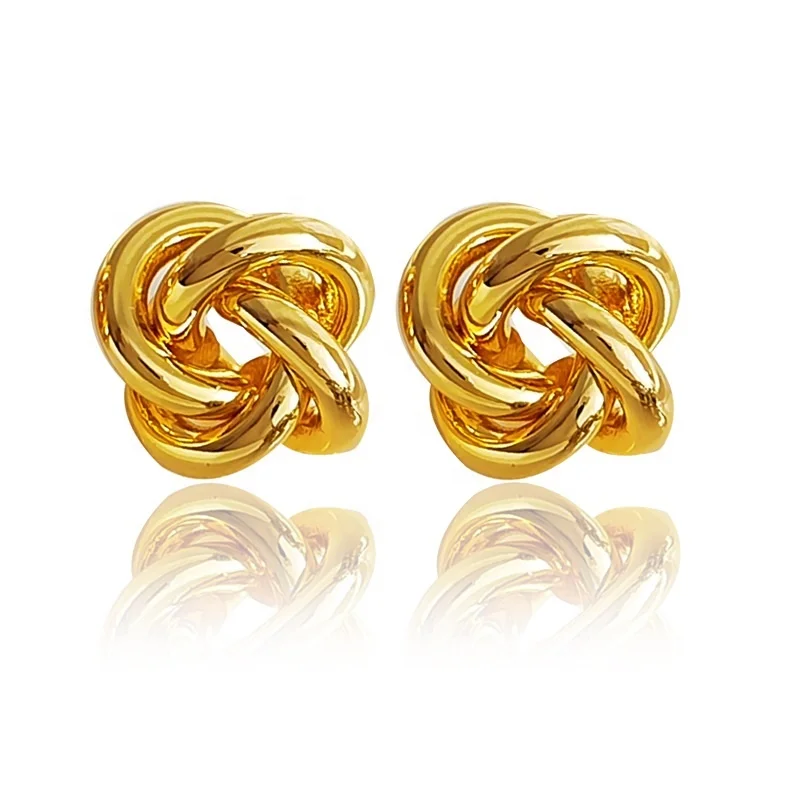
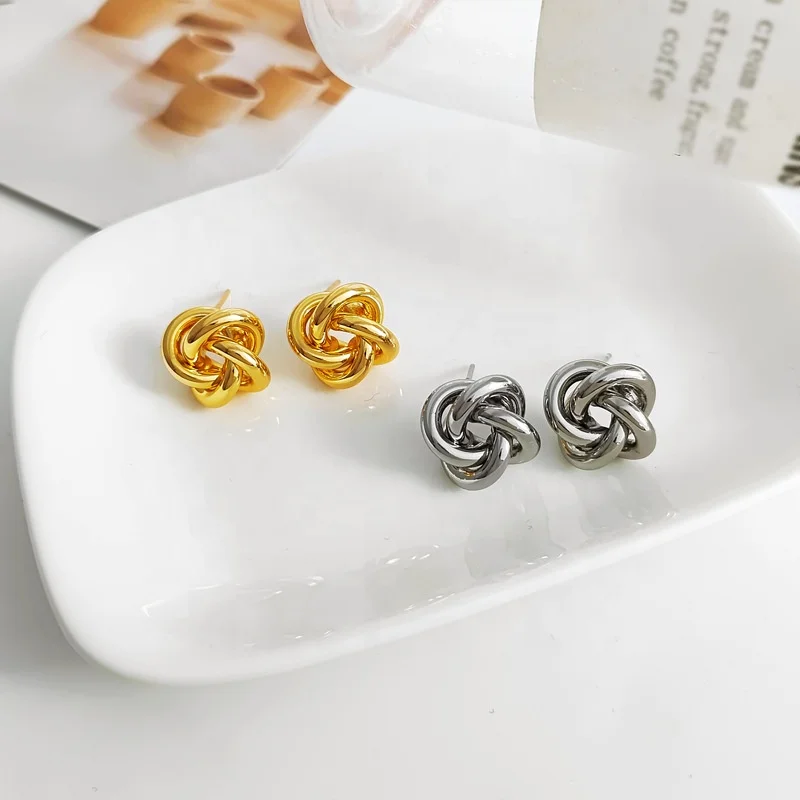
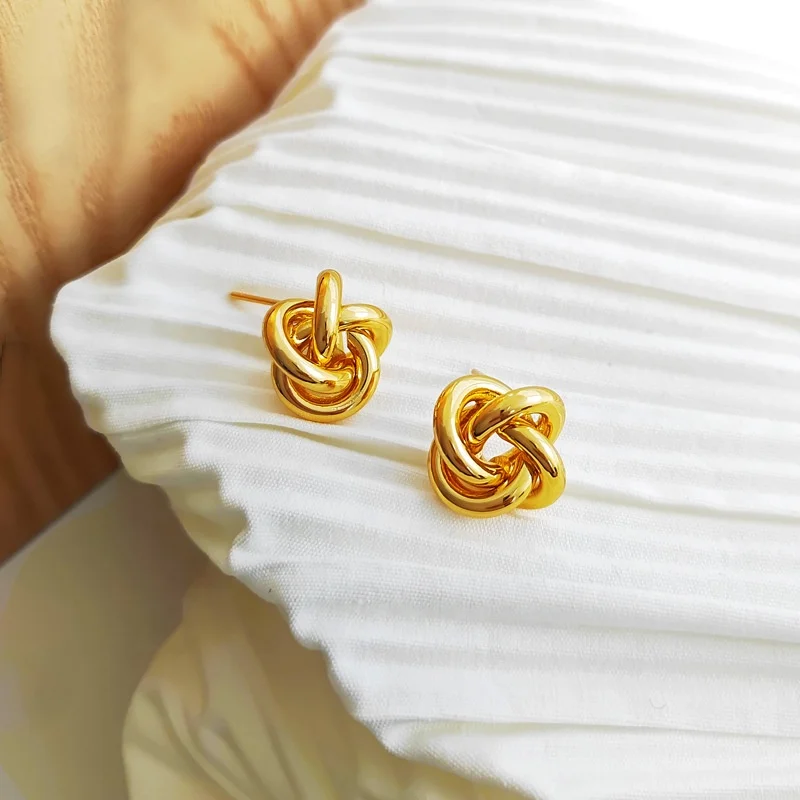
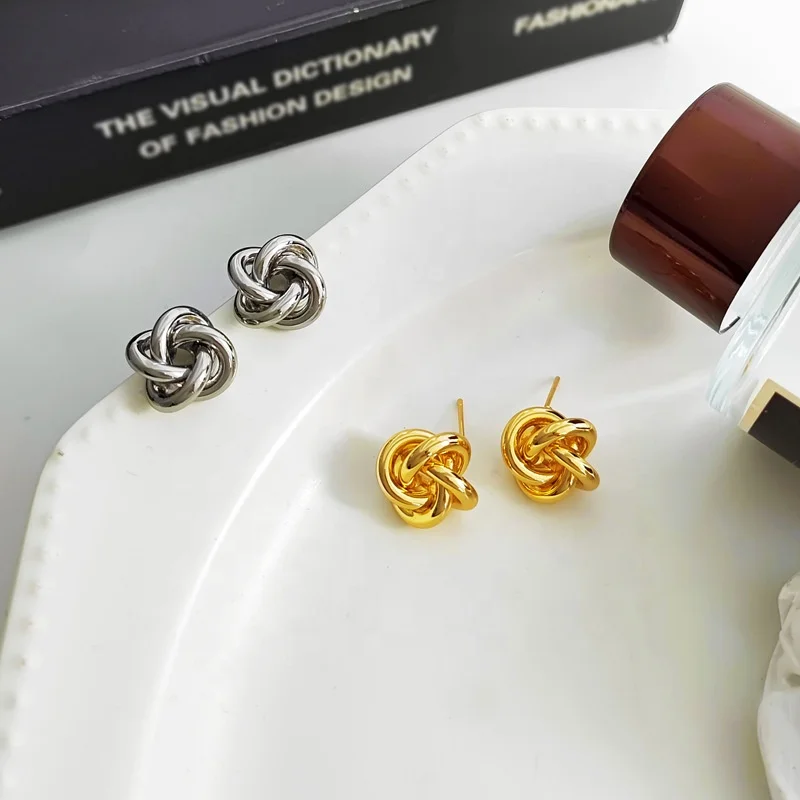
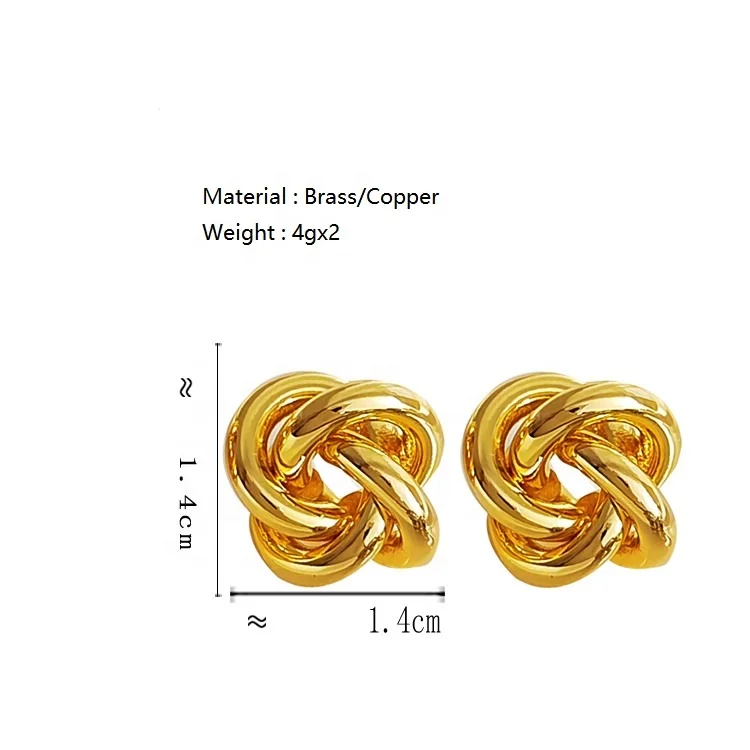
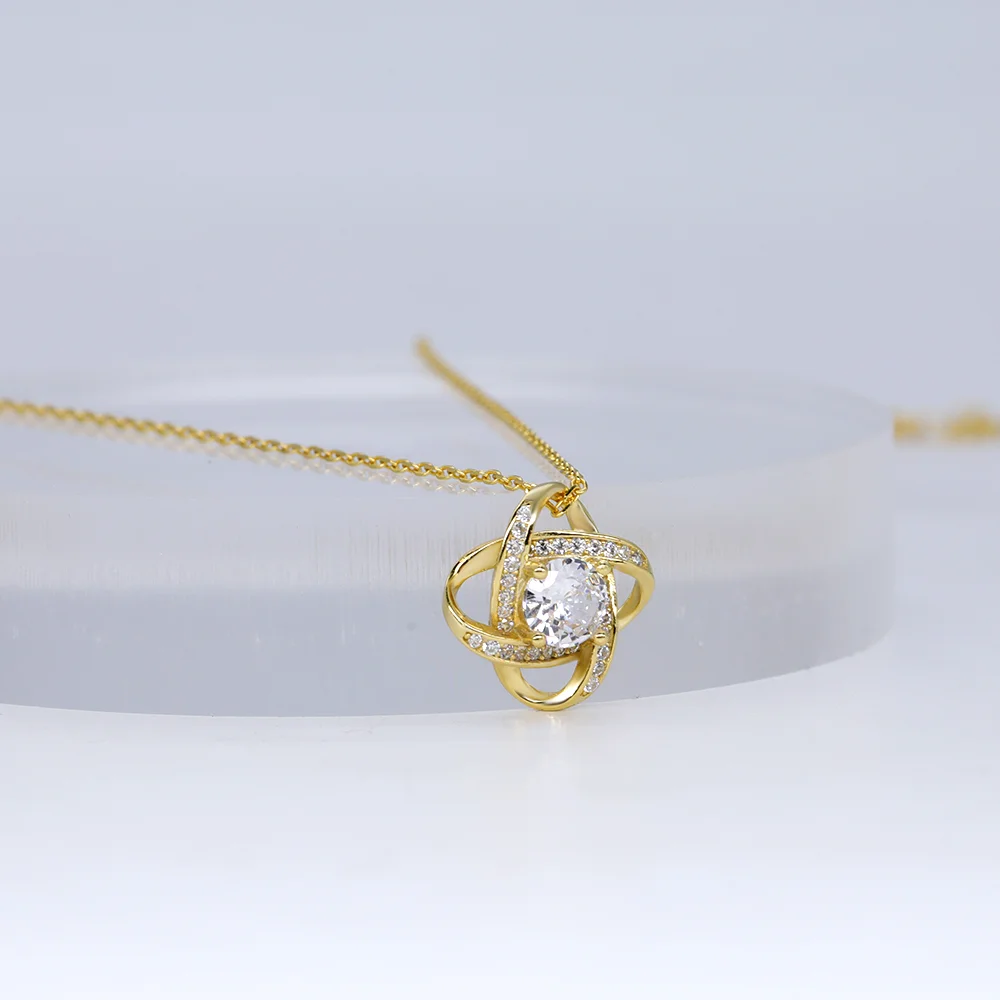
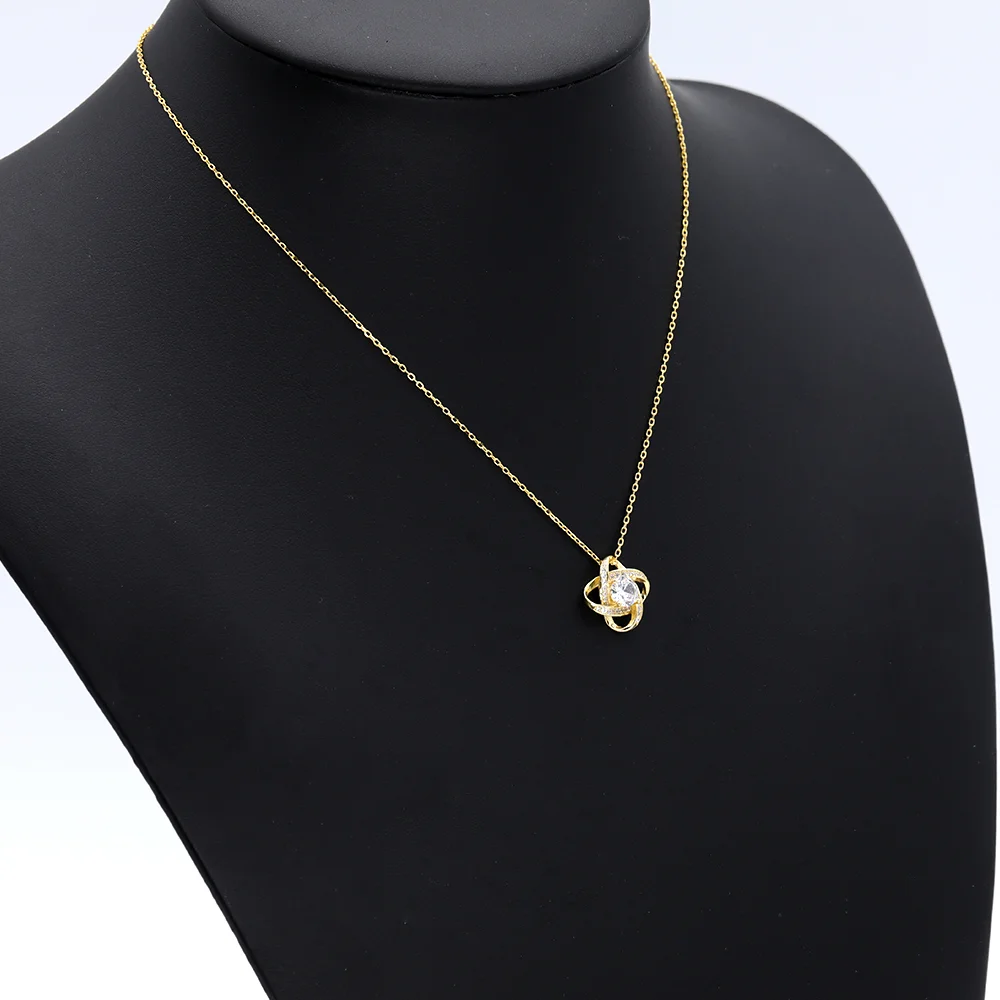
Relia product 21850 has the Certificate Type entry Test Certificate. Its options combine the Size label 0.79'' * 0.71'', Design Classic and Color Gold or Silver. The category is a reason to ask what document is available for the selected combination. It is not the document itself and does not tell the buyer a report number, testing scope or result.
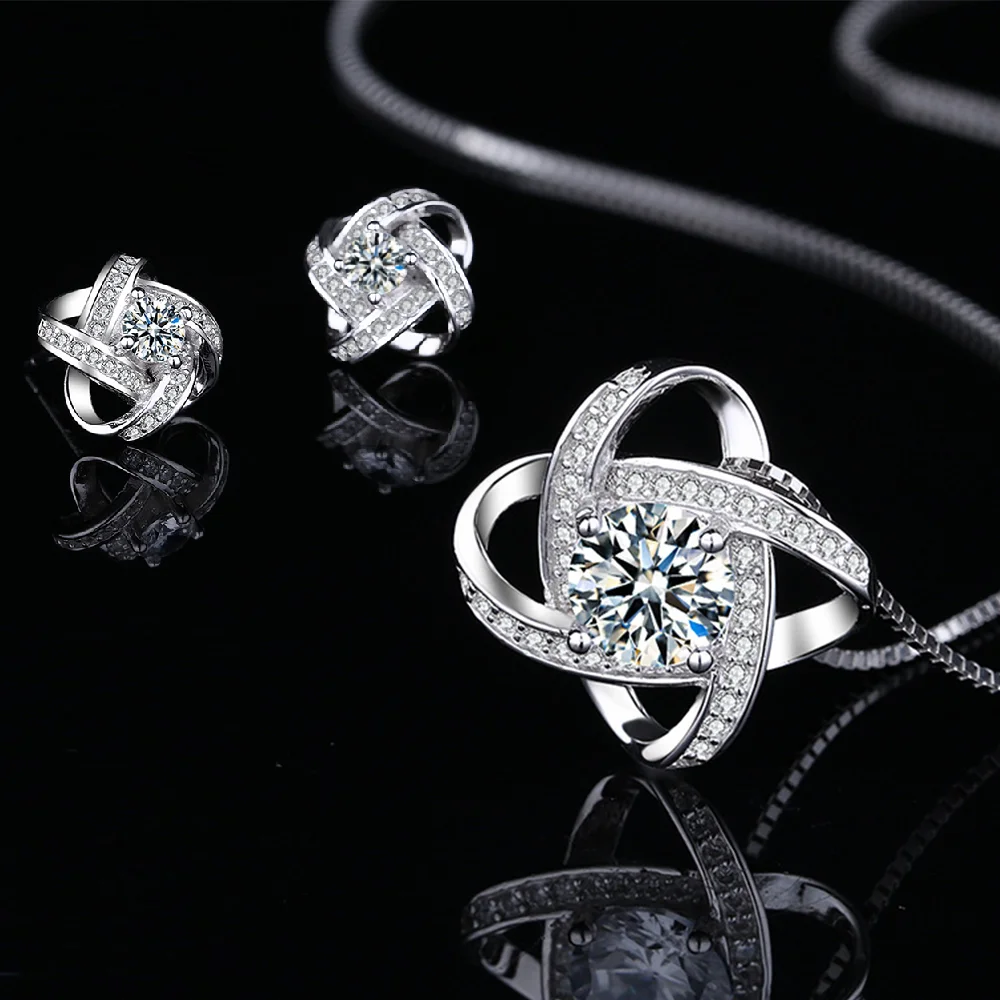
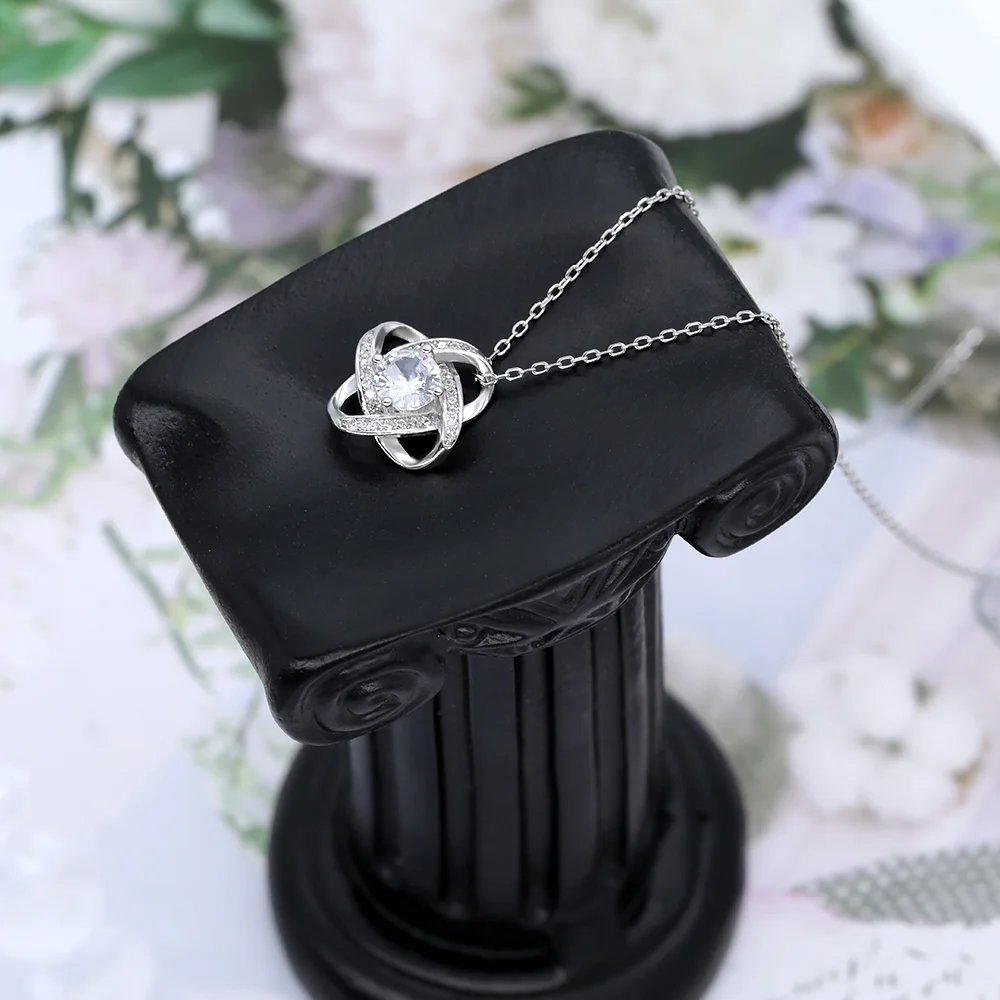
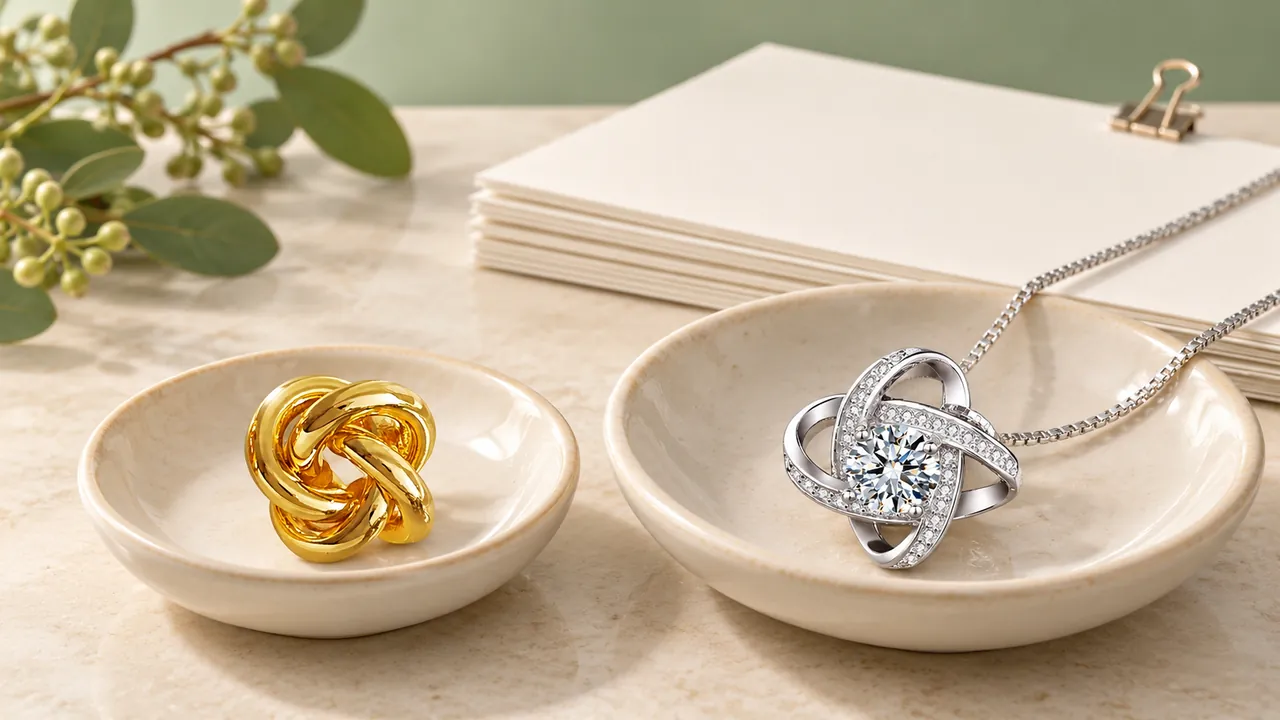
Product 21851 uses Third Party Appraisal in its Certificate Type field. The table describes 925 SILVER and ZIRCON, with plated-finish wording. Its recorded combinations include 18inches / Rhodium, 18inches / Gold and 18inches / Earring. An appraisal request should name the actual selection and ask which item or component the record concerns.
The Earring label is particularly important to preserve. A document related to a necklace should not be assumed to cover the form supplied under that alternative. Ask the supplier to identify the supplied item and the document relationship before extending a statement from one selection to another.
Neither category label tells the buyer that the underlying product description is false or true in every respect. The useful distinction is simpler: a table entry states a category, while a supplied document contains the information that can actually be reviewed. Keep both in the record without pretending the second has already been received.
Review subject, identification, scope and date together
| Area | Buyer review question | Follow-up if unclear |
|---|---|---|
| Subject | What item, sample, component or statement is described? | Ask the supplier to connect it to the selected product. |
| Identification | Which references or descriptions distinguish the subject? | Request an explanation where catalog and document references differ. |
| Scope | Which material, property or question does the record address? | Keep unrelated claims outside the supported statement. |
| Date and version | Which issued record and selected specification are being compared? | Ask whether changes to the product affect applicability. |
| Completeness | Are the relevant pages and explanatory parts available? | Request missing context rather than interpreting a cropped excerpt alone. |
A matching name is useful, but it may not be enough to explain the relationship. A supplier may use a different reference system from the buyer's catalog sheet. Ask for that relationship to be described, and retain the answer with the document. Do not create a report identity yourself to make two records appear to match.
The date also needs context. This checklist does not assign a universal expiry period to documents. Instead, compare the record with the selected specification and ask about any relevant changes. A date by itself does not explain whether the subject, construction or stated scope corresponds to the item now being discussed.
Keep material descriptions separate from added grades and performance claims
Product 21850 lists brass in its material fields and Gold Plated in the plating field. Its title also includes an 18 K gold-plated direction. Preserve the source wording while asking what finish specification applies to the selected Gold or Silver appearance. Do not resolve the relationship by inventing a coating thickness or a separate base-metal version.
Product 21851 lists 925 SILVER and purity 925. Those are ordinary source-backed material descriptions. They do not provide a numeric precious-metal weight: the Weight of precious metals field reads Silver. If weight is relevant to the project, ask for the actual information needed rather than manufacturing a gram figure from the field name.
A buyer should also separate material identity from any additional grade, origin or performance statement. If a project requires such a statement, ask for the relevant supporting information and its scope. A material label alone is not a reason to add an allergy guarantee, a wear-life promise or a market-approval claim.
Keeping the distinctions visible makes the enquiry more productive. The supplier can answer the actual missing question, and the buyer can retain the stated material without expanding it into a broader claim. This is especially useful when several components or plated appearances are included in one product series.
Do not let table headings upgrade a stone description
A field headed Diamond shape does not establish that the selected product contains a diamond. Product 21851 lists Round under that heading while Main Stone is ZIRCON. Read the heading, shape value and stone identity together. The word Round describes a shape direction; it does not replace the listed stone identity.
If another part of the source uses wording that seems inconsistent with the selected material description, quote the relevant statements in the enquiry and ask for clarification. Do not choose the more valuable interpretation or combine incompatible claims into one marketing sentence. The supplier's response should identify the intended statement for the selected item.
General series information needs the same care. A description may discuss several motifs or finishes while the buyer is selecting one option. Ask whether the document applies to that particular version and component. A statement about an unspecified series should not become evidence that every decoration, finish and form shares the same characteristics.
Keep
The exact stated identity, the selected option and any unresolved source wording that affects the decision.
Do not add
A diamond identity, grading result, origin statement or document conclusion that the supplied information does not establish.
Explain destination and intended use as requirements to discuss
A buyer can state the destination market and intended use when preparing an evidence request. The purpose is to help identify the project requirements and the supporting information needed. It is not a declaration that a catalog category or a generic report establishes approval for that destination.
Write down which questions your team needs answered and who will review the supplied record. If your project has a particular external specification, identify it accurately in the enquiry and ask what evidence is available for the selected item. This article does not choose a legal standard or tell the buyer that a document satisfies current law.
Keep intended use specific enough to be meaningful without expanding the listing's claims. A broad fashion-jewelry description does not by itself establish suitability for every user group or application. Where the project needs additional information, ask for it directly and hold the resulting statement within the scope of the actual response.
Proposed changes can also affect the question. If the buyer requests another component, finish or supplied form, return to the evidence request and ask whether the existing record still describes the proposal. A supporting document should not be inherited automatically from the unmodified catalog reference.
Use a follow-up request that can be traced and answered
For product 21850, a useful request could read: “For 0.79'' * 0.71'' / Classic / Gold, the table lists Test Certificate. Please identify the available document, the item or component it covers, and how its reference connects to this selection. Please clarify the finish specification applying to the selected appearance.” This asks for an actual record without inventing the result.
For product 21851, write: “For 18inches / Rhodium, please explain the scope of the listed Third Party Appraisal and provide the applicable record if available. Our selected material statement is 925 silver with zircon as listed; please identify which statements and components the document supports.” If the enquiry instead concerns Earring, use that full selection and first confirm the supplied form.
Evidence-file checklist
- Save the selected product and complete option beside the request.
- State the claim or component needing support.
- Keep the certificate-category entry distinct from the actual document.
- Retain the complete supplied record and the supplier's reference explanation.
- Record unanswered scope questions without substituting an assumed result.
- Revisit applicability when the selected specification changes.
Use the specification and evidence checklist to organize the request, and the material-description boundaries to keep product statements precise. To discuss a selected reference, send your selected-item document requirements to Relia with the relevant option and the question your team needs answered.
Request Evidence for a Specific Product