Make the catalog reference the starting point, not the finished custom specification
A useful custom jewelry brief shows the current product and the proposed changes separately. It tells the supplier what to retain, what to evaluate and what a sample should help the buyer decide.
A reference image can communicate a design direction quickly, but it does not settle dimensions, wording, materials, manufacturing feasibility or commercial terms. Before requesting a sample, turn the idea into a set of identifiable requirements. Keep unanswered questions visible so a preliminary discussion is not mistaken for an approved production instruction.
The examples here use a letter necklace and a storage-box reference from the Relia catalog. They show how a buyer can prepare a project-specific enquiry. They do not promise that every requested change is available, that a particular production process will be used or that sampling follows a fixed price or timetable.
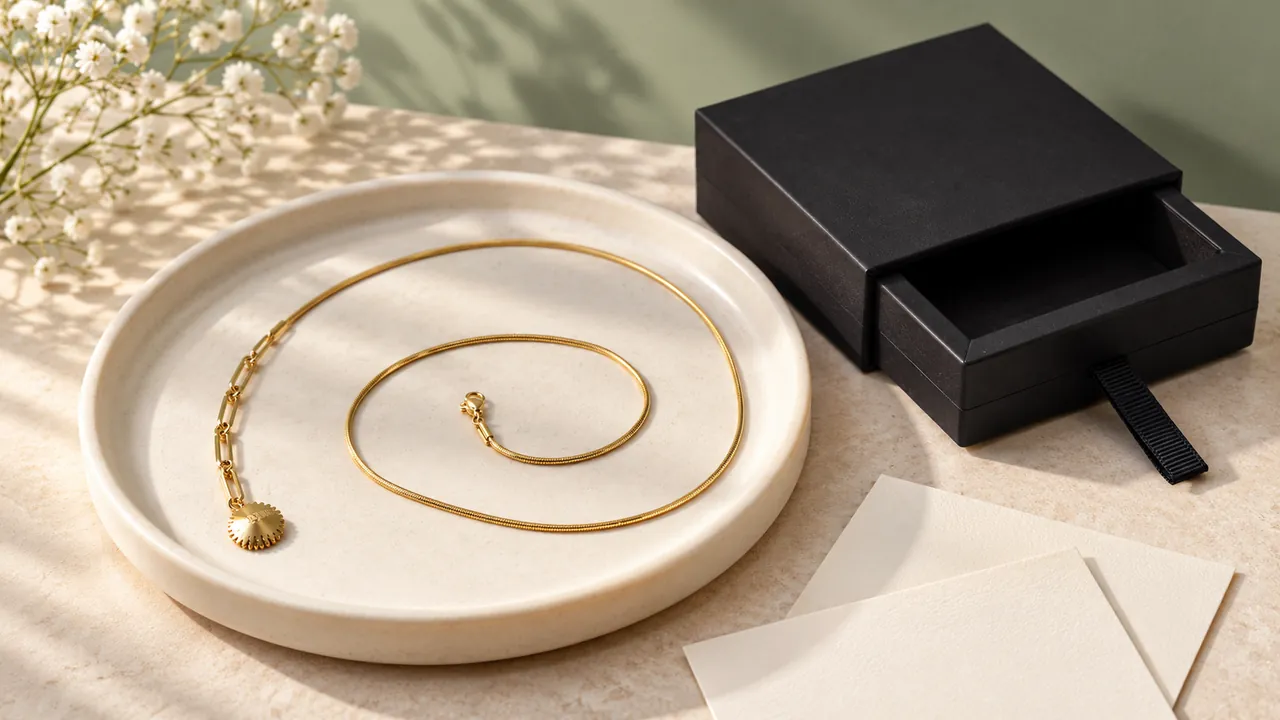
Freeze a clear baseline before marking changes
Save the product link, product reference, complete selected option and the view used in your brief. Give the brief its own revision name. If a team member later changes the proposal, the original catalog baseline should remain recoverable rather than being replaced by an unlabeled edited picture.
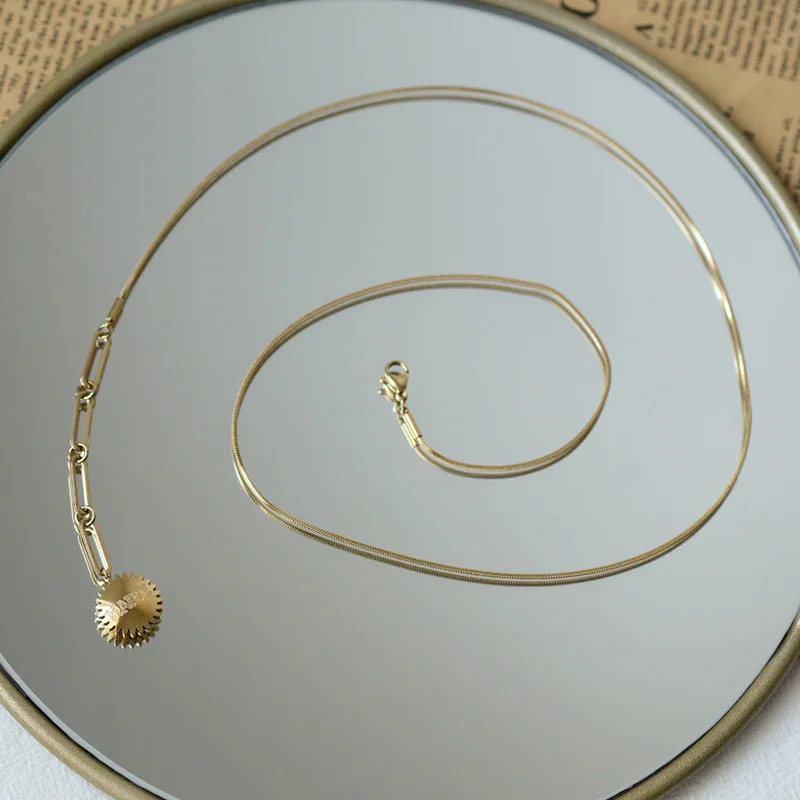
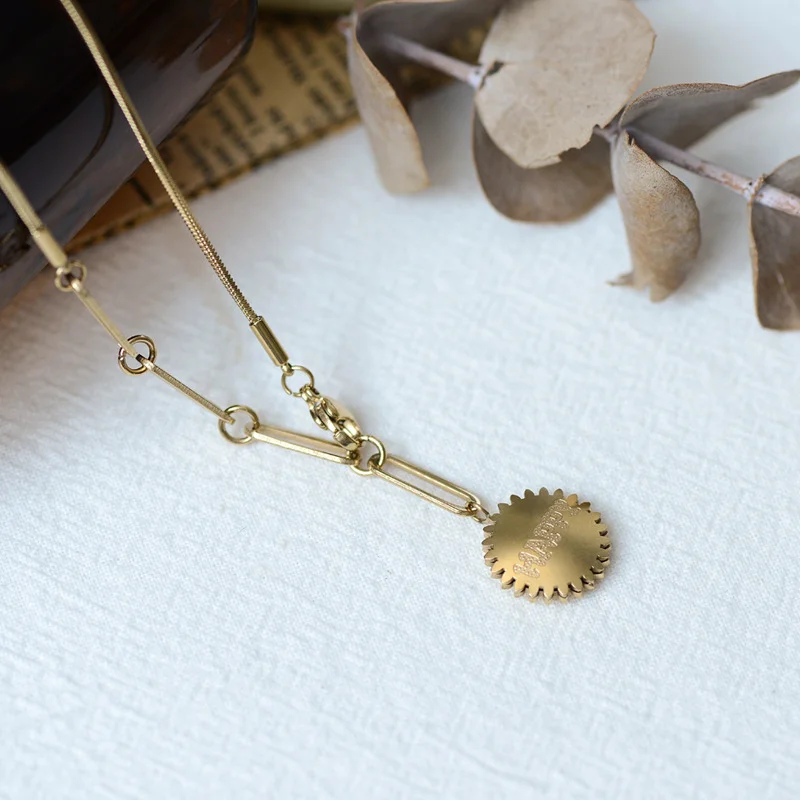
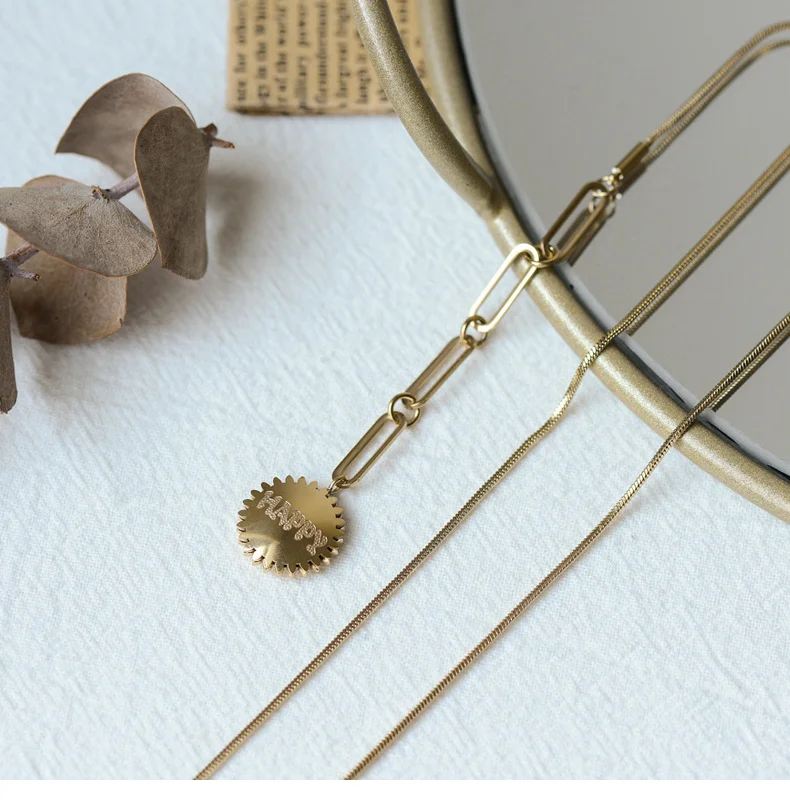
Relia product 21629 is a HAPPY letter pendant necklace. Its recorded option is Gold / 25inches. The table describes stainless steel, a link chain and 18K Gold Plated. These details are useful baseline information. A buyer requesting different lettering should still retain the original HAPPY reference and the exact option instead of presenting the altered wording as if it were already the catalog selection.
The word Custom in a title does not mean a live text editor is part of the option menu. For this reference, the recorded choices are Color and Length. A new word, a different letter layout or another chain length belongs in the proposed-change section of the enquiry. It needs a project-specific response.
Baseline sentence: “Our reference is product 21629, Gold / 25inches, with the current HAPPY wording. The following table lists requested changes for feasibility review; unchanged features should remain as confirmed against the reference.”
Describe each proposed change as a separate decision
Separate requirements that the supplier may need to evaluate independently. Changing a word is different from changing the chain, and changing a logo on packaging is different from changing the box construction. A single instruction such as “make it like our brand” leaves too many decisions open.
| Area | Current reference | Buyer proposal | Confirmation needed |
|---|---|---|---|
| Lettering | HAPPY in the selected necklace reference | Attach exact proposed wording and layout | Feasibility, dimensions and proposed construction |
| Length | 25inches option label | State any requested alternative separately | How length is measured and what can be offered |
| Finish | Gold appearance; table says 18K Gold Plated | Retain or request a specific alternative | Finish description for the agreed components |
| Presentation | Separate packaging reference | Artwork, placement and intended contents | Compatibility, supplied parts and sample scope |
For dimensions, say which part the requested value describes. Overall pendant width is not the same as individual letter height, and chain length does not establish the hanging ornament's dimensions. If the project needs a particular measurement method or an acceptance range, identify that as a requirement to be discussed rather than inventing a tolerance for the catalog item.
Mark priorities as well. A buyer may have a fixed word but be open to suggestions about spacing, or may need a particular overall scale while allowing the supplier to propose a construction. Showing that distinction helps the discussion focus on the decisions that actually affect the design.
Define lettering and artwork without assuming the application method
Supply the exact text, capitalization and any layout reference. If an artwork file is involved, identify its version and which element is authoritative. A screenshot of a logo can show intent, but the supplier may need different information to evaluate the selected application. Ask what file format and detail are required for that project.
Do not assign laser marking, casting, printing or another method simply because it is familiar. The brief should describe the outcome you want and request a proposed method where the catalog does not establish one. The supplier's answer can then identify any limits that affect detail, dimensions, appearance or the chosen component.
For the HAPPY necklace reference, a proposed word should not be treated as a spelling substitution with no other consequences. Ask how the changed lettering would relate to the ornament's dimensions and connections. Keep the current construction identifiable and request a clear description of any resulting design changes before evaluating a sample.
Where artwork use or a private-label arrangement matters, ask both parties to confirm the project terms and permitted use of the supplied files. Do not assume that an enquiry automatically establishes exclusivity, tooling rights or a restriction on other designs. Those questions belong in the agreed project record, not in an unsupported marketing promise.
Treat packaging as its own specification
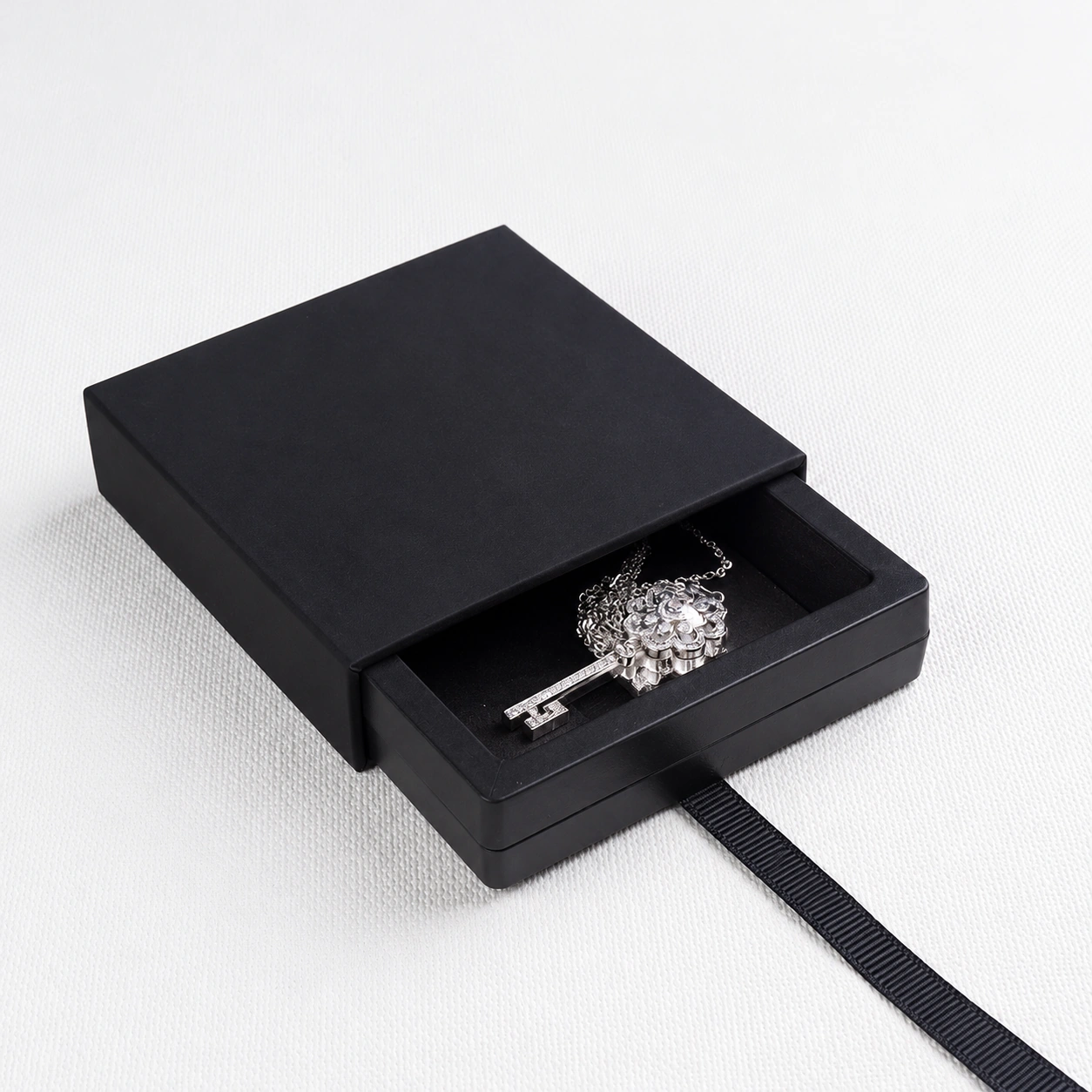
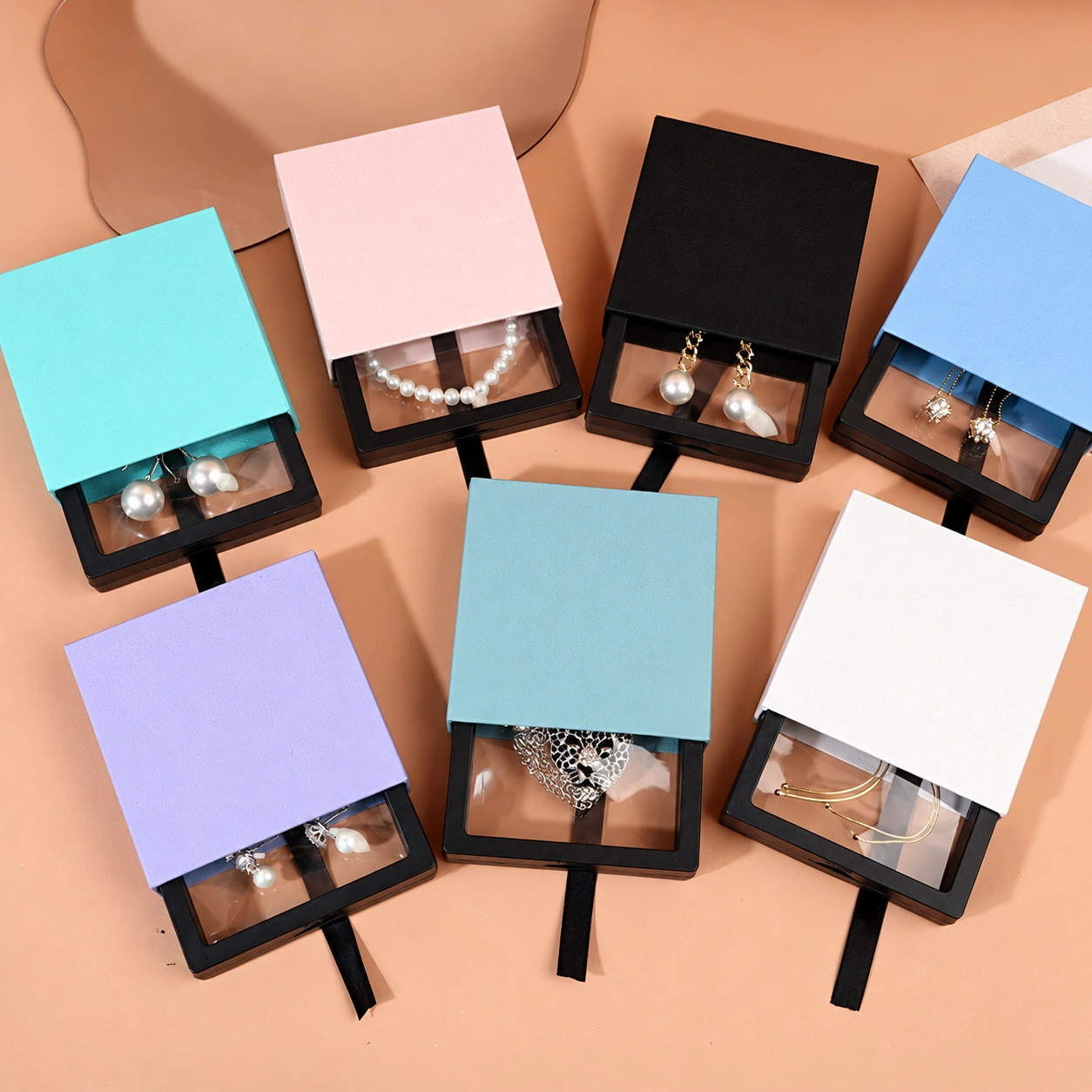
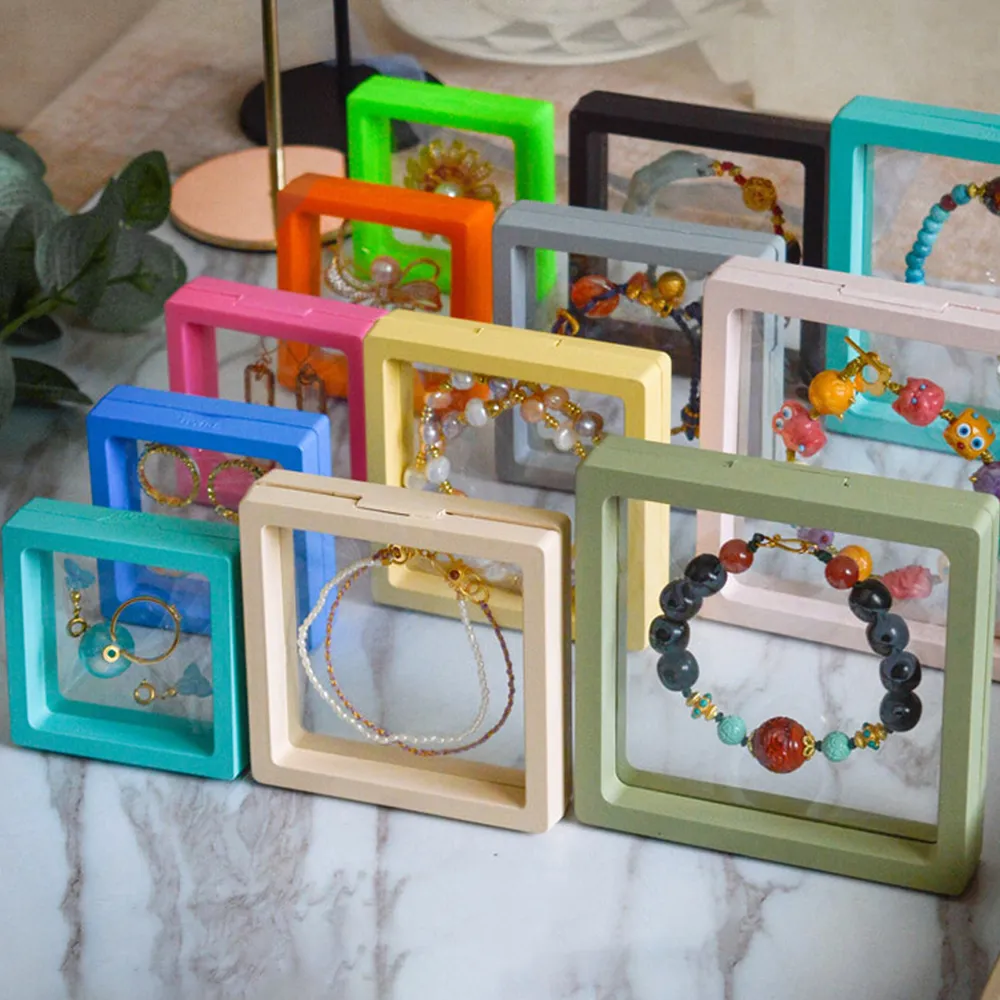
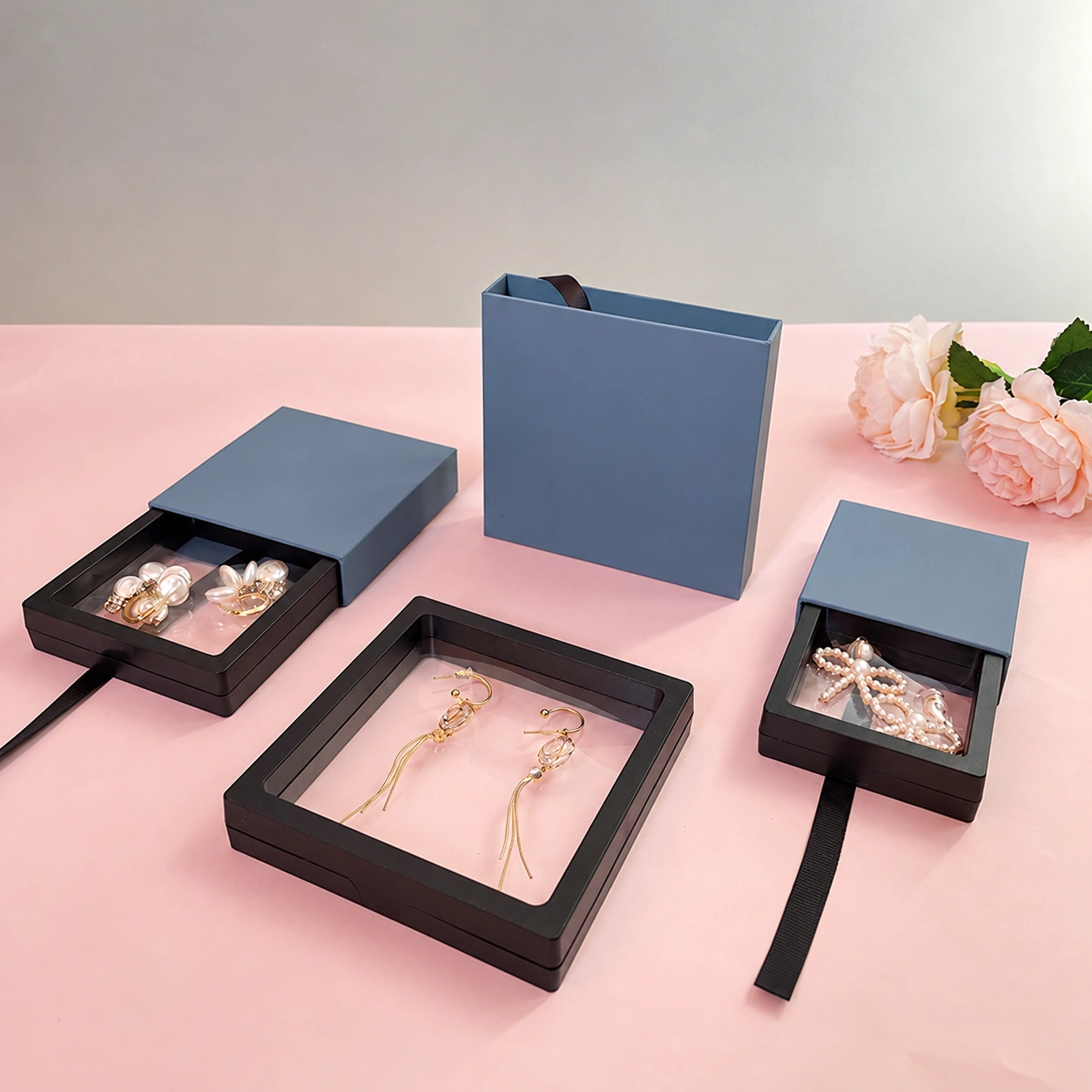
Relia product 21849 offers storage-box options such as Blue-Set Box 7*7cm and Blue-Set Box 9*9cm. Select the complete reference before discussing a logo or presentation change. A different size, an internal arrangement or a different exterior can change what the buyer is asking the supplier to evaluate.
The table includes a direction accepting a customer's logo and welcomes OEM/ODM enquiries. Those are reasons to raise a packaging project, not proof that a particular logo application method or exact proposed construction is already approved. State the intended logo placement, the artwork version and the product the box is expected to hold.
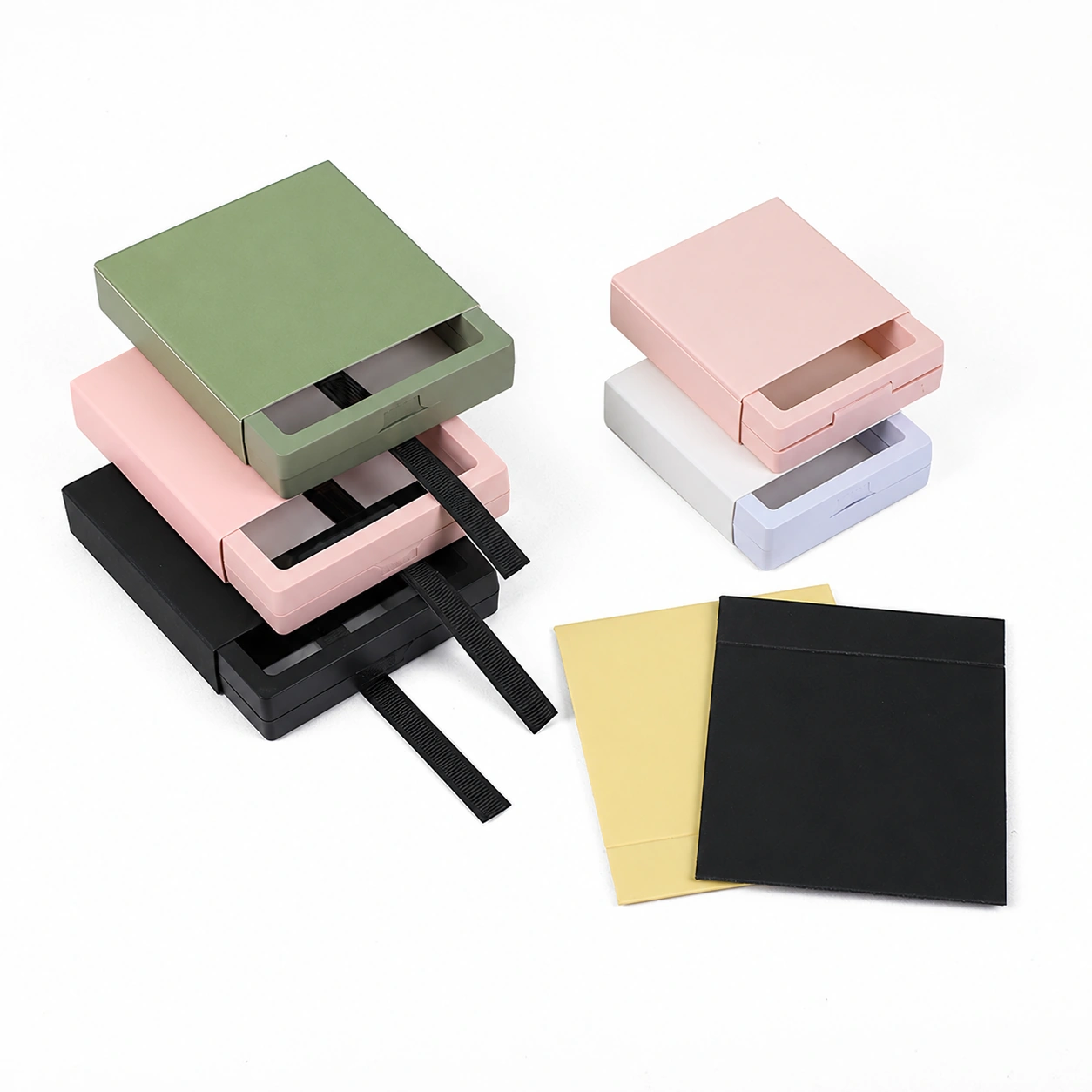
Ask what the supplied box configuration includes. The phrase Set Box does not establish the count of boxes, the presence of jewelry or the inclusion of inserts and cards. If you need an internal support or a specific presentation arrangement, make it an explicit proposed requirement and request confirmation of the usable internal measurements.
A nominal box size should not be used as proof that a selected necklace or bracelet will fit. The buyer needs the relevant usable dimensions and the intended layout. Link the jewelry and packaging references in the brief while keeping their supplied contents and commercial terms separate.
Give the sample a defined question to resolve
Design question
Does the proposed wording, proportion or arrangement communicate the intended appearance against the agreed reference?
Specification question
Do the selected dimensions, components, fastening and presentation match the details confirmed for this sample?
A sample request becomes more useful when its purpose is explicit. A buyer evaluating lettering may need a different set of observations from a buyer checking whether jewelry fits inside a box. List the decisions the sample should support, then ask which aspects the proposed sample will represent.
Clarify whether any aspect differs from the eventual intended specification. If a sample is proposed only to review layout, do not automatically approve its material or finish for a later order. Conversely, a selected catalog product used as a reference does not establish that the requested custom changes have been sampled.
Product 21629 includes sample making and mould making in its table. Preserve that source information as an invitation to discuss the selected project, while confirming feasibility and terms for the actual requested design. It does not provide a universal sample price, revision allowance or fixed schedule for every proposal.
Ask what information will accompany the sample, such as the selected-product reference and the agreed change list. The goal is to make observations traceable to the version being evaluated. A sample that arrives without a clear revision reference can be difficult to compare with a drawing that changed during the discussion.
Agree how revisions and acceptance will be recorded
Before treating a sample as approved, decide how the buyer will communicate feedback and which version the feedback concerns. Use an issue list that separates appearance observations, dimensional questions and requested further changes. This makes it easier to distinguish a mismatch from a new preference introduced after the sample was prepared.
Keep acceptance criteria specific enough to discuss. “Good quality” alone does not identify a letter-spacing concern, a chain-length requirement or a packaging-content question. Where a measurable criterion is important, request an agreed method and basis. Where the criterion is visual, retain the agreed reference and describe the area under review.
Commercial revision questions should be asked directly: what terms apply to a changed design, what costs require approval, and how is a later version identified? Do not assume free revisions, automatic tooling ownership or a fixed number of iterations. If tooling is relevant, ask how its responsibility, use and ownership will be documented for that project.
The same discipline applies to timing. State the buyer's desired milestones as requests and ask what can be confirmed. A date written into a design brief does not become a supplier commitment merely because it appears beside a product image. Retain the actual response and revisit it if the scope changes.
Send a brief that preserves both the reference and the open questions
A ready enquiry includes the baseline product, complete option, marked changes, intended use, artwork references and the questions a sample should resolve. It also shows which requirements are fixed and which are open to a supplier proposal. The brief should be readable without guessing what was agreed in an earlier conversation.
Before sending the project
- Retain product 21629 and Gold / 25inches if that is the chosen starting point.
- Identify HAPPY as the current wording, with any new wording marked as proposed.
- Separate chain, ornament, finish, logo and packaging changes.
- Use complete product 21849 box labels when packaging is part of the enquiry.
- Ask about feasibility, sample scope, revisions and project terms without assuming them.
- Define what the buyer needs to evaluate before an approval decision.
Review the custom and private-label enquiry scope for the project discussion, and the sample request preparation for the commercial questions. Then send the reference and proposed changes to discuss the selected project with Relia.
Discuss a Product-Specific Custom Requirement