Keep three different quantities visible
An order minimum, a menu of selectable styles and the contents of a supplied unit answer three different questions. A wholesale jewelry enquiry should identify all three before the buyer compares prices or builds an assortment.
The first quantity is commercial: what minimum applies to the proposed order? The second is a selection count: how many alternatives can a buyer choose from? The third is a contents count: what arrives in one quoted unit? Confusing them can produce an order that is internally consistent on paper but based on the wrong meaning of a familiar label.
The Relia examples in this article show how to prevent that confusion. They do not establish a catalog-wide MOQ, permission to mix options or the contents of a bundle. Treat the supplier's confirmed quantity basis as part of the selected-product specification, alongside the appearance and any requested changes.
An MOQ describes a minimum, not the contents of one pack
MOQ is used in the buying discussion to identify an order minimum. The buyer still needs to know what that minimum applies to: a selected style, a color, a product reference or another agreed grouping. A number without that basis is not enough to build a reliable purchase instruction.
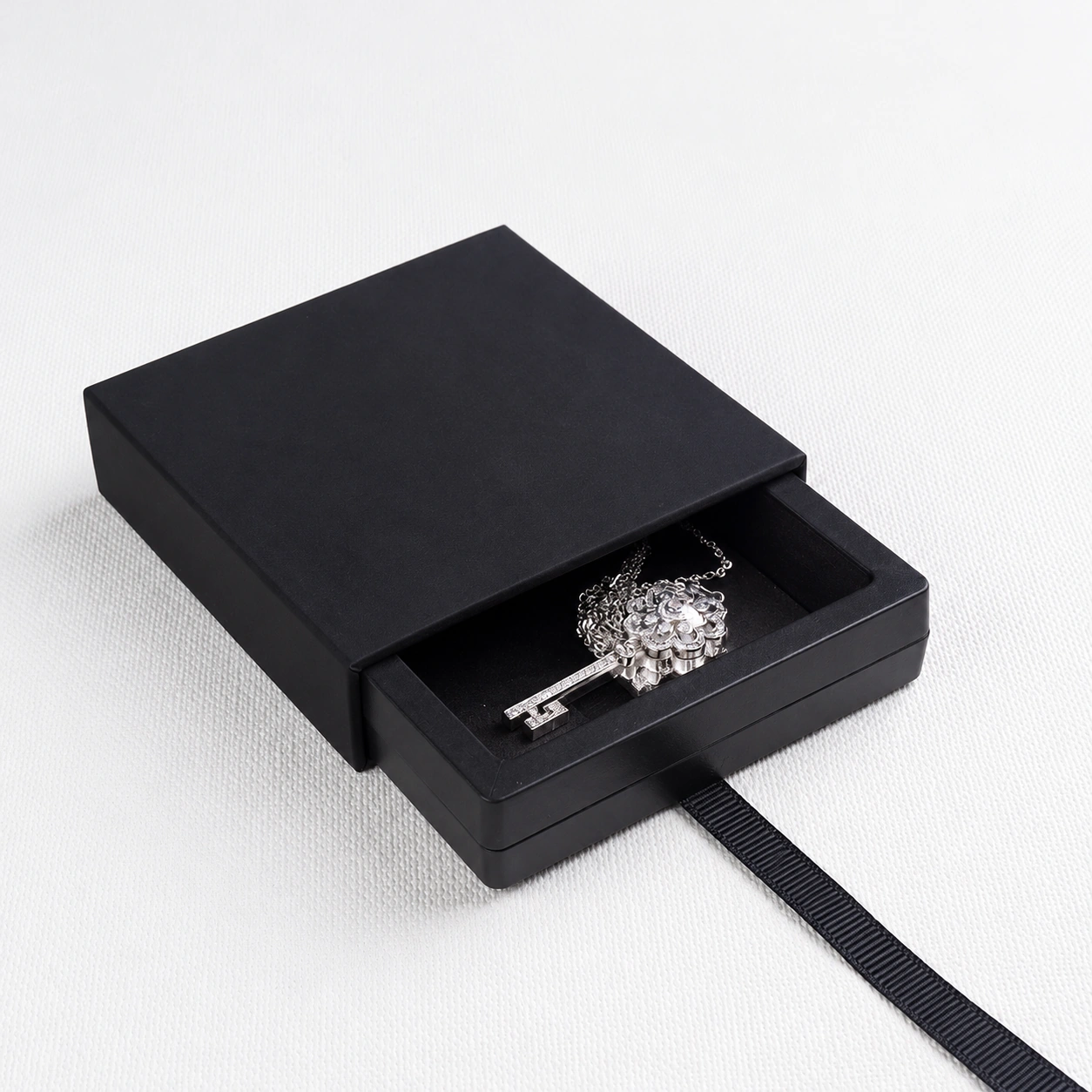
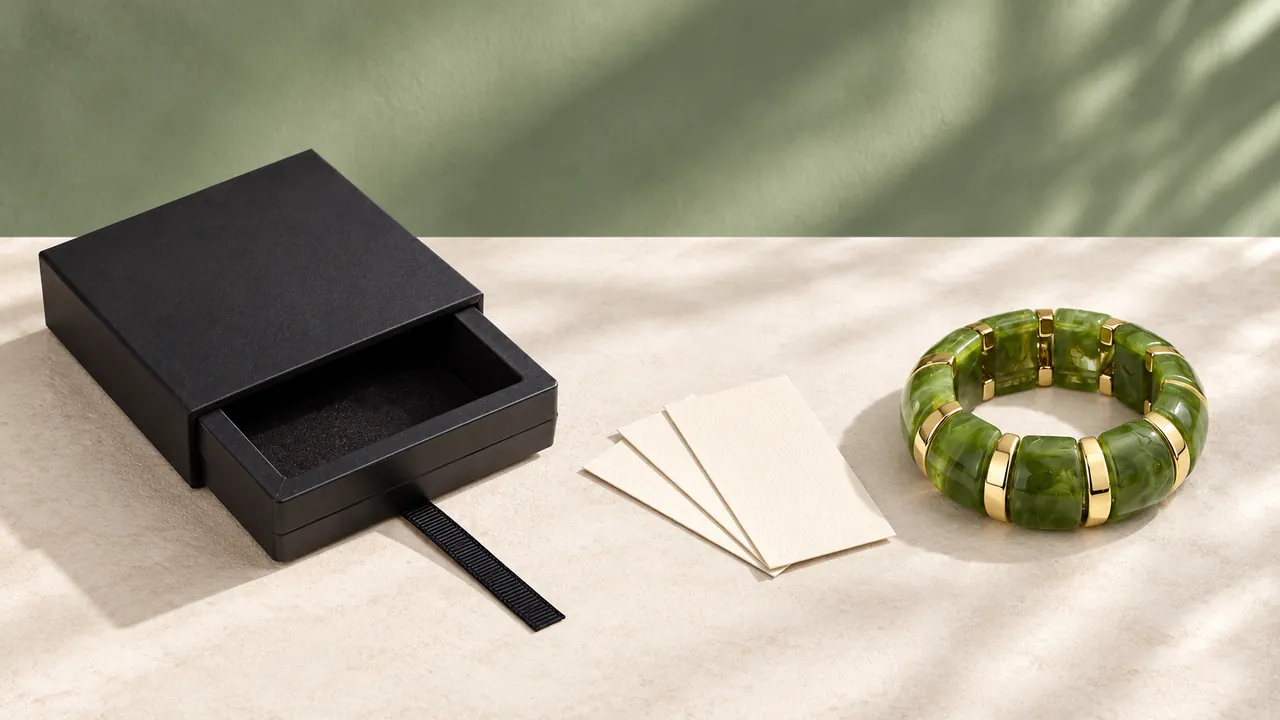
Relia product 21849, a jewelry storage-box reference, includes the specification entry MOQ: 30pc. Keep that product-specific direction visible when preparing an enquiry. Then ask how it applies to the actual selection and proposed mix. Do not transfer it to unrelated necklaces, bracelets or earrings, and do not assume it answers the supplied contents of a Set Box option.
A buyer may reasonably propose an assortment or a different quantity, but the proposal is not yet an agreed term. Label it as requested quantity and retain a separate supplier-confirmed minimum field. If the supplier responds with a different minimum for a proposed modification, make that distinction visible rather than replacing the original catalog note without explanation.
A useful question: “For this selected option and proposed quantity, please confirm the applicable minimum and whether it is assessed per option, per product or on another agreed basis.”
A choice menu lists alternatives unless supplied contents say otherwise
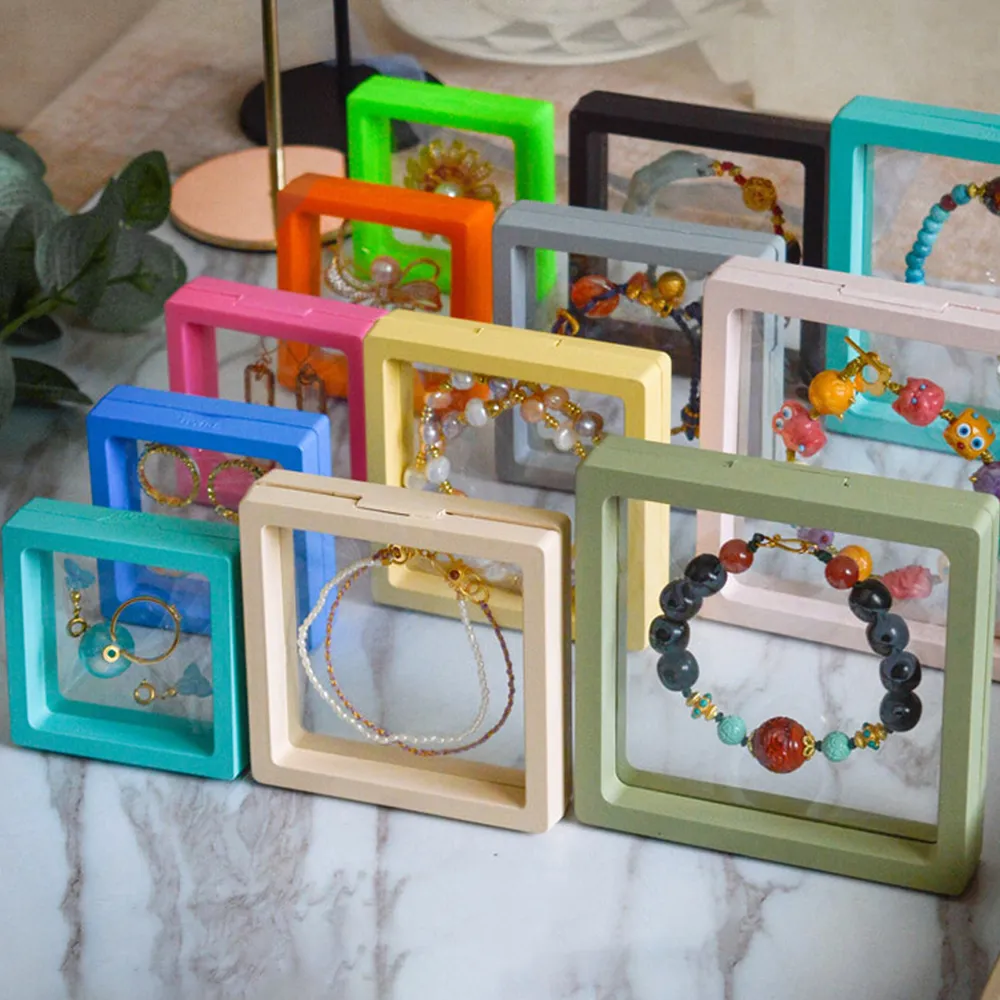
A product can have many selectable labels while each label still identifies only a chosen style. The count of labels does not define the number of pieces supplied. This is especially easy to overlook when the menu combines a number with a color word or when several images show an entire series together.
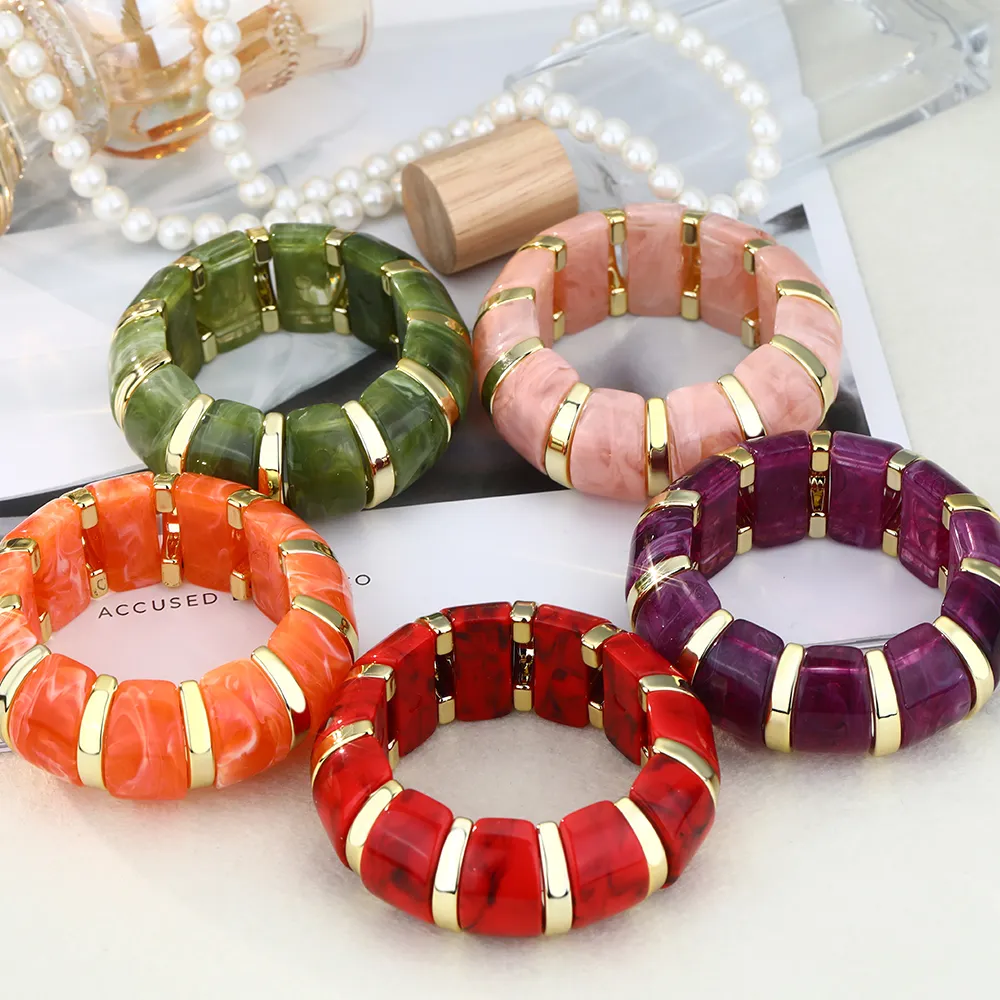
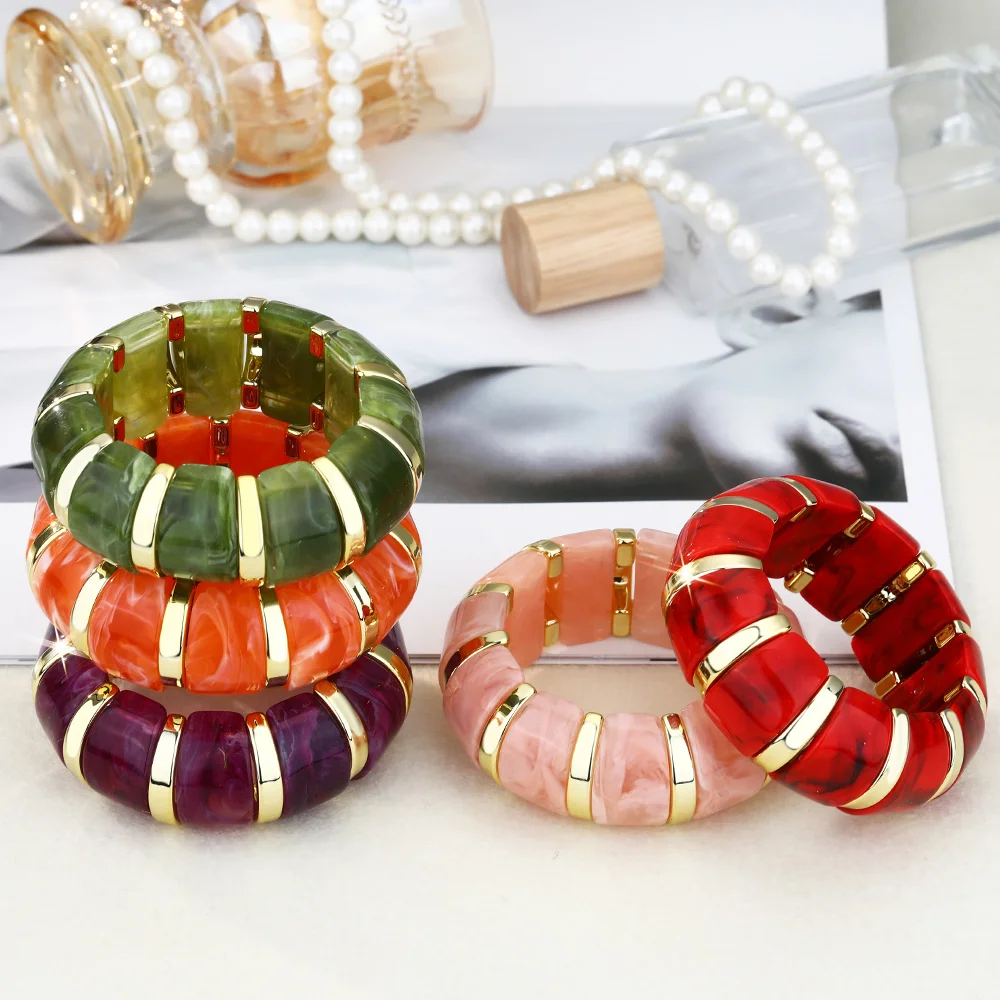
Product 21852 has twenty-two selectable bracelet labels in its Color field. Examples include Gold1, gold 2, Gold06 and Gold 22. Their spelling and spacing are useful identifiers. Gold06 should not be silently renamed Gold6 in the buyer sheet, because the original label helps the supplier trace the request to the correct alternative.
Those twenty-two choices do not establish a twenty-two-piece bracelet set. They also do not establish an accepted mixed-style order. A buyer selecting several numbered styles should list each desired choice and requested quantity, then ask how the minimum and packing apply. The number of alternatives available in the interface is separate from the number requested and the number supplied.
If your team uses its own stock codes, retain the original option label beside each internal code. This prevents a receiving team from losing the connection between the supplier's selected style and the buyer's assortment plan. A consistent reference is particularly useful when two labels look similar but correspond to different pictured designs.
Read Set Box as an option label, then ask about contents
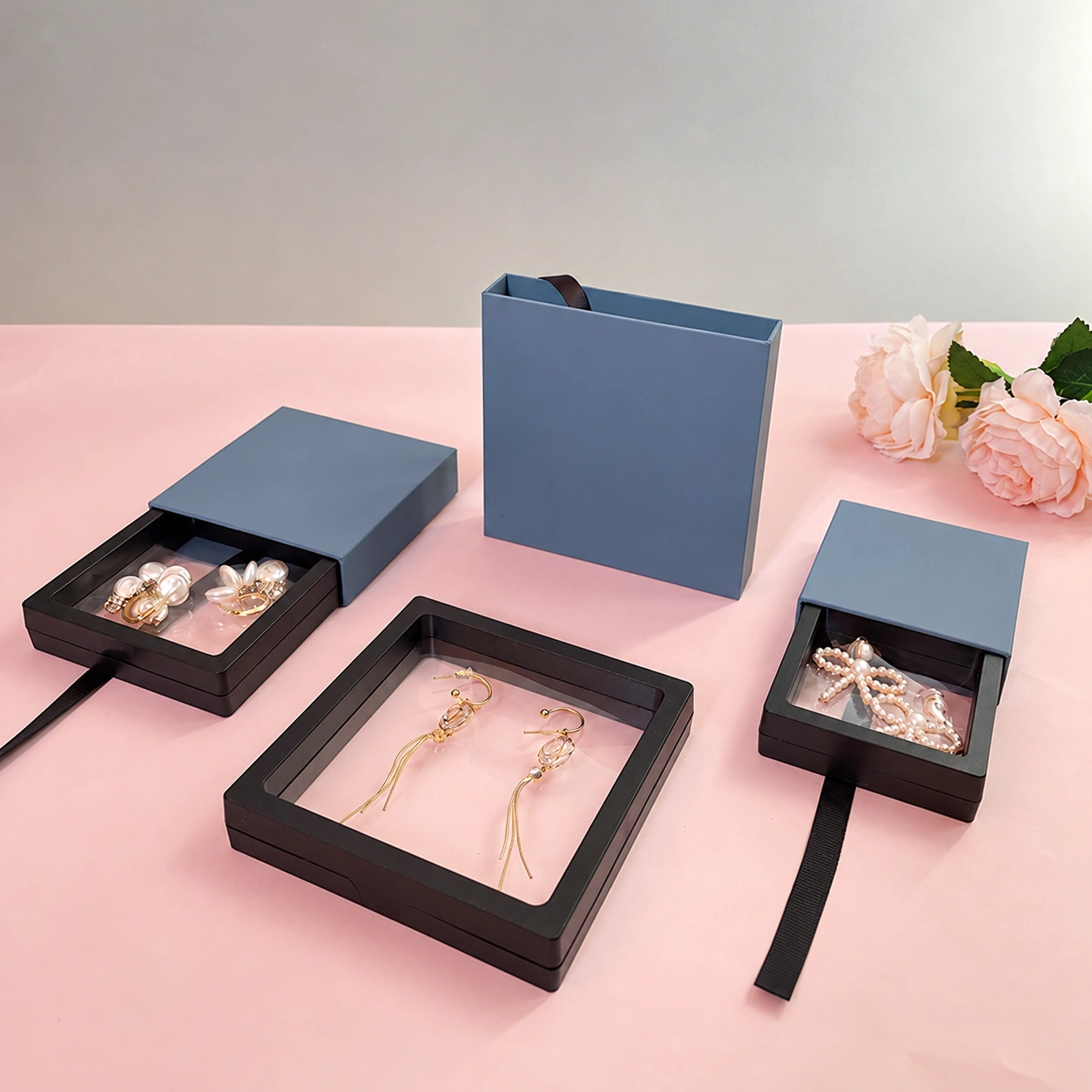
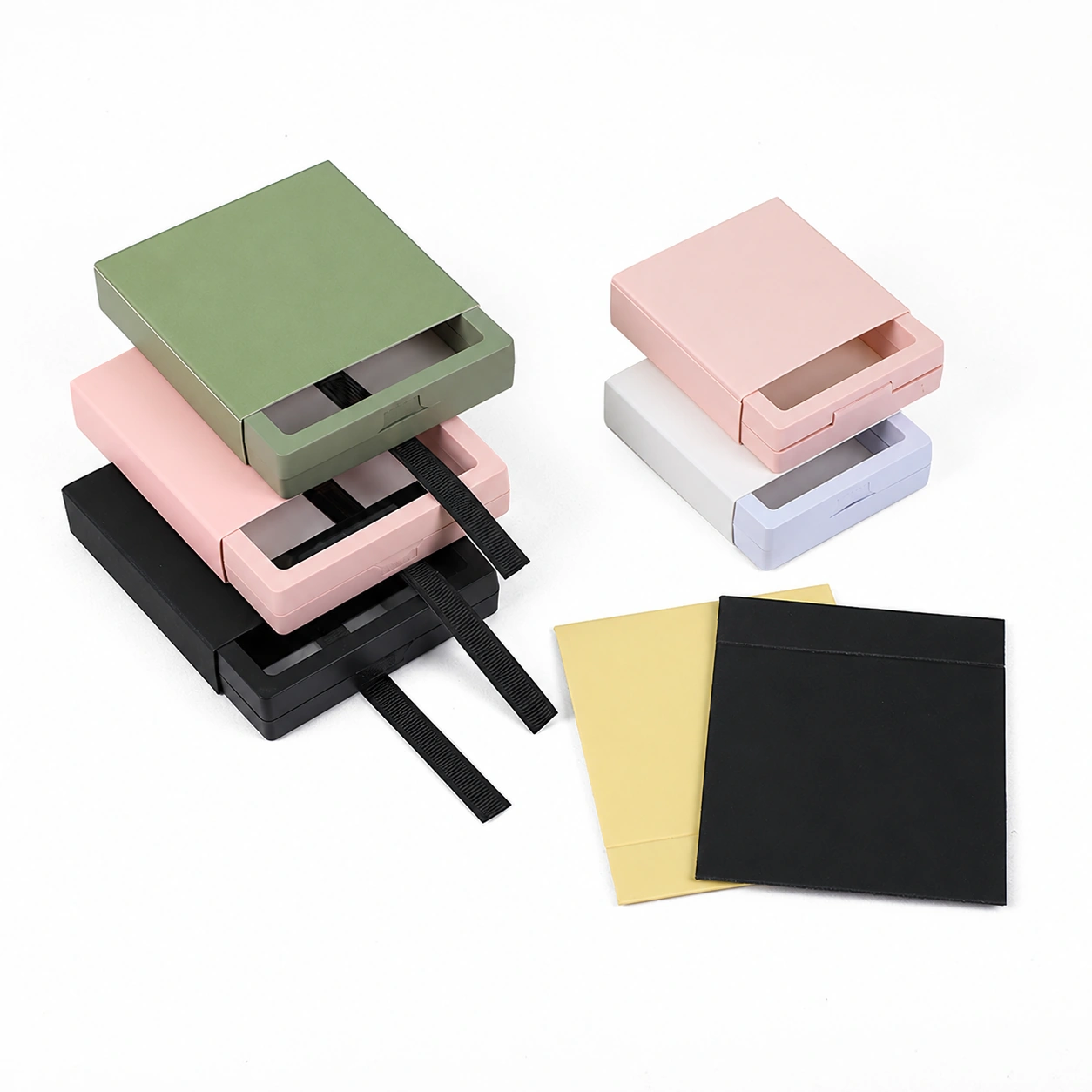
The storage-box reference 21849 offers six actual selectable labels. Each joins a color, the words Set Box and a size. Preserve the complete label instead of breaking it into an assumed standard bundle.
| 7*7cm options | 9*9cm options |
|---|---|
| White-Set Box 7*7cm | White-Set Box 9*9cm |
| Black-Set Box 7*7cm | Black-Set Box 9*9cm |
| Blue-Set Box 7*7cm | Blue-Set Box 9*9cm |
The general Size field also mentions 11*11, but that size is not one of the six recorded selectable labels. It should be discussed as a further enquiry, not presented as a current selection simply because it appears in the broader specification. This distinction separates the table's general range from the actual menu available for this reference.
Set Box does not identify how many boxes are supplied in one quoted unit. Nor does it establish that jewelry, inserts, cards or additional packaging are included. Ask the supplier to identify the supplied contents and any separately quoted parts. The answer should use the same complete option label so the contents cannot be accidentally applied to a different size or configuration.
Ask four quantity questions before comparing quotations
Minimum basis
What minimum applies to this selected item and any proposed changes? Which grouping is used to assess it?
Quoted unit
What does one unit in the quotation mean: an individual item, a pair, a pack or another stated basis?
Supplied contents
What physical contents belong to that unit? Which pictured or requested parts are separate?
Packing relationship
How do the quoted units relate to the agreed inner and outer packing quantities, if packing is specified?
These questions prevent two quotations from appearing comparable when their units differ. A price per selected item is not directly comparable with a price per agreed pack until the pack contents are clear. Record the supplier's stated basis first; do not repair a missing basis by assuming the most familiar interpretation.
If freight or packaging is quoted separately, keep that information separate from product contents as well. An outer shipping carton is not automatically a customer-facing presentation box. A chosen jewelry storage box is not automatically the shipping package for an entire assortment. The purchasing sheet should show which role each packaging item is intended to serve.
Treat mixed options and samples as separate commercial questions
“Can I mix styles?” is useful only when the proposed mix is visible. For product 21852, name the numbered alternatives and the requested quantity for each. For product 21849, specify the complete color-and-size labels. Ask whether the proposed combination is acceptable and how the minimum applies to it.
A response about mixing colors should not automatically be read as permission to mix sizes or unrelated product references. Likewise, an answer about unmodified catalog items may not apply to a project with different packaging or a logo request. Keep the question tied to the scope that was actually discussed.
Samples introduce another quantity basis. Ask which selected option would be supplied as a sample, what its contents would be, and what terms apply. Do not assume a sample is free, that it removes an order minimum, or that sample availability establishes stock for a larger order. The sample discussion should identify what the buyer wants to evaluate and which commercial questions remain unresolved.
For a proposed packaging change, a sample may also have a different purpose from a product sample. One may address the jewelry selection while another addresses the presentation. Ask how those references will be distinguished so an approval of the box does not accidentally become approval of the jewelry contents or the entire assortment.
Write a quantity record that the receiving team can use
Once a response is received, keep the requested quantity and the confirmed basis beside each other. Add the exact option label, the confirmed supplied contents and the relevant quotation revision. This turns a conversation into a traceable instruction without inventing a company-specific ordering procedure.
| Record | What it should answer |
|---|---|
| Selected item | Which product and complete option are being quoted? |
| Requested amount | What quantity did the buyer propose, and in what unit? |
| Confirmed minimum | What minimum and grouping did the supplier confirm? |
| Confirmed contents | What belongs to one supplied unit? |
| Agreed mix | Which colors, sizes or numbered styles are included? |
| Revision reference | Which response or quotation establishes these answers? |
The receiving team should be able to compare the incoming assortment with this record without interpreting “set” from memory. If labels or packing descriptions are proposed, ask for them to identify the selected options clearly. Do not use an unconfirmed packing description as proof of the contents; it should agree with the confirmed product line.
When a later revision changes quantities, check whether any earlier minimum, mix or packing answer needs reconfirmation. A changed assortment can invalidate a previous comparison even if every individual product link remains the same. Keep the superseded version rather than allowing two different quantity bases to circulate as though both were current.
Resolve the ambiguity before turning the sheet into a purchase decision
For the storage-box example, a complete follow-up names Blue-Set Box 7*7cm, retains the product-specific 30pc direction and asks about the supplied unit and any proposed mix. It does not assume six choices means six boxes or that Set Box names a multi-item bundle.
For the bracelet example, a complete follow-up identifies Gold06 or the other selected numbered alternatives, assigns the buyer's requested quantities, and asks about the minimum and supplied contents. It does not treat twenty-two menu choices as twenty-two included bracelets. These are small wording changes with a practical effect: the supplier can answer the actual quantity question instead of guessing which number the buyer means.
A final quantity check
- Minimum, option count and contents count occupy different fields.
- Selected labels retain their numbers, sizes and wording.
- Mixed ordering and sample terms remain open until explicitly confirmed.
- Quotation comparisons use the same understood unit.
- The agreed record can be read by purchasing and receiving teams alike.
Use the ordering and sample questions to prepare the commercial discussion. For a proposed presentation change, review the packaging requirements. Then confirm selected quantities with the product references and exact options.
Clarify the Quantities in Your Enquiry