A useful RFQ identifies the exact item before asking for a price
A wholesale jewelry RFQ sheet should connect each requested quantity to a product, its complete option label and the questions that remain open. A screenshot can explain the appearance, but it cannot reliably carry the whole purchasing instruction.
Build the sheet so another member of your team could reconstruct the selection without a separate chat history. That means keeping the product link, the chosen photographed style, the exact selectable option and the intended quantity together. Add proposed changes in a different field. The supplier can then distinguish a request for the catalog item from a request to develop something else.
This guide uses specific Relia catalog references to show the difference. The examples are preparation tools, not quotations or promises of stock, mixed ordering or production timing. Commercial arrangements need to be confirmed for the selected items and the actual enquiry.
Give every line an identity that survives a forwarded email
Start with a buyer reference such as RFQ-A01. This is your worksheet identifier, not a replacement for the supplier's product reference. Alongside it, save the product link and retain the complete option text as displayed. If the label contains a size and a color together, do not reduce it to the color alone.
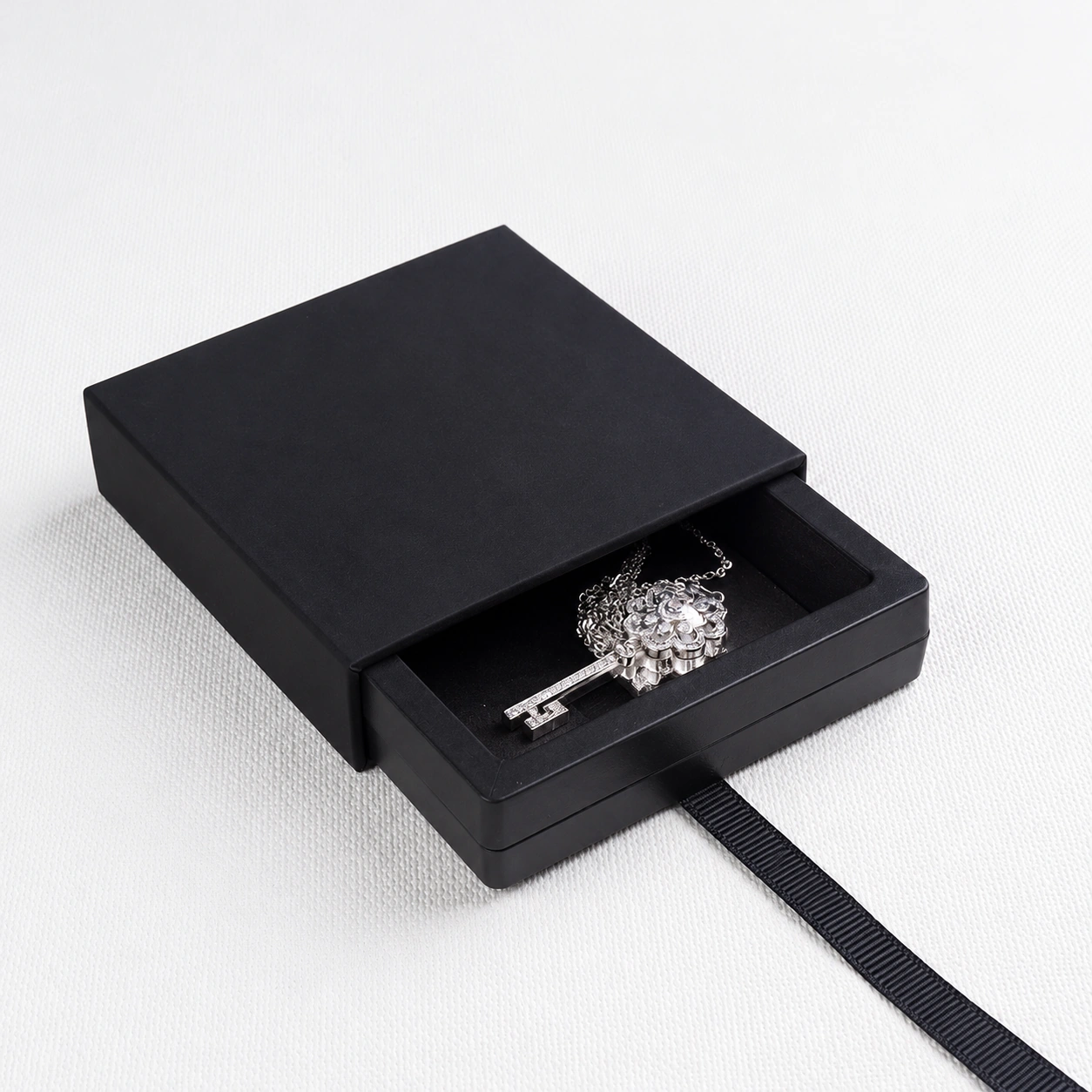
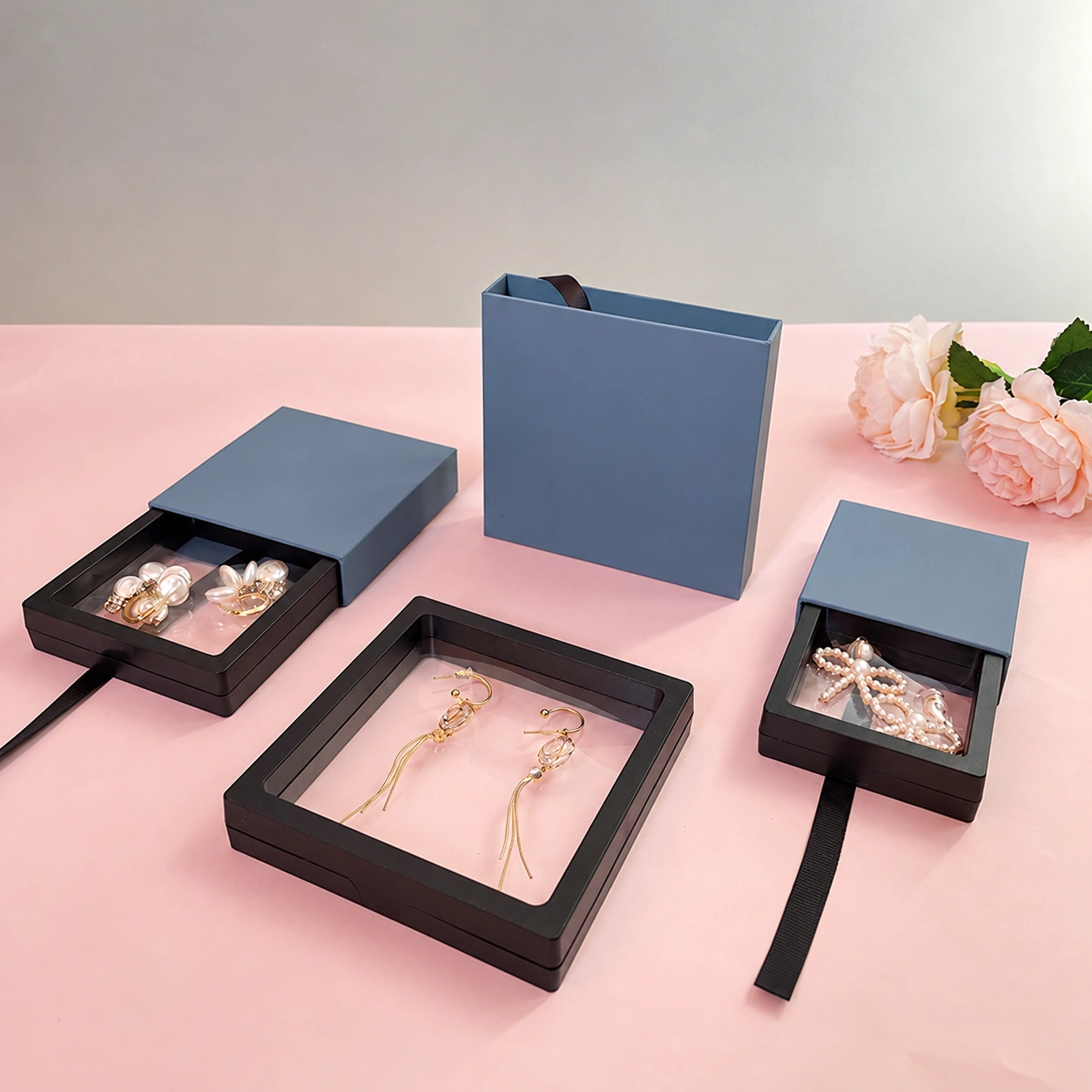
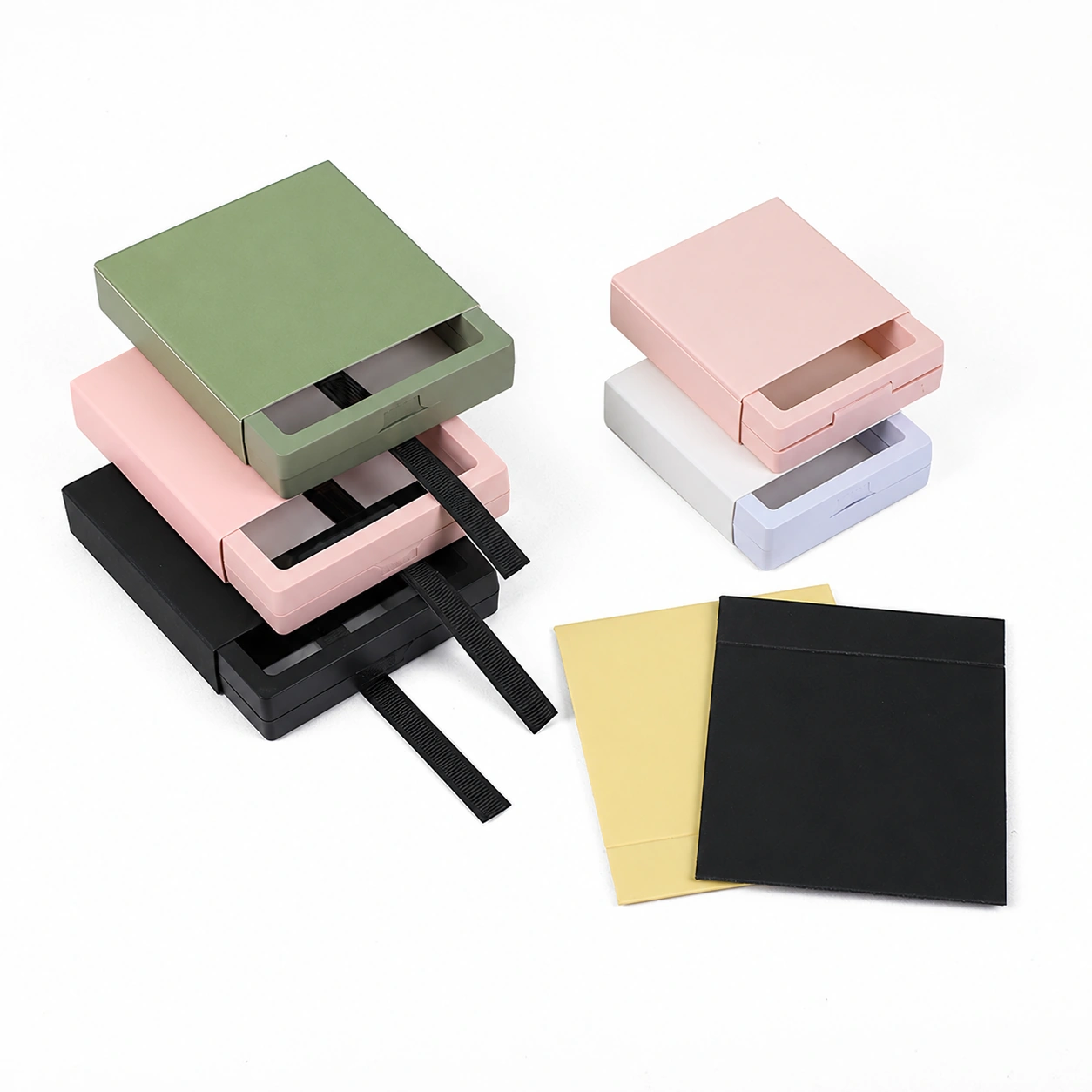
For example, the storage-box product numbered 21849 includes the selectable label Blue-Set Box 7*7cm. Writing only “blue box” loses the distinction from Blue-Set Box 9*9cm. Both are present in the same option menu. A cropped image of a blue box does not restore the missing size, because a photograph alone is not a dimensional specification.
Add a screenshot reference if it helps distinguish the intended view, but keep it secondary to the written selection. Name attachments with the same buyer line reference. A supplier reviewing several similar items should not need to guess whether image three belongs to line two or line four. If the image shows a decoration that the option label does not identify, turn that uncertainty into a question on the same line.
Keep original labels intact. You can add a plain-language explanation beside an option, but preserving its original wording makes the enquiry easier to trace back to the catalog selection.
Use columns that separate requests from facts
A practical sheet needs fewer ambiguous cells, rather than more columns. Each column should answer one question. Put material questions in the material field and delivery questions in the commercial field. Avoid a large notes cell containing several unrelated instructions that different people may interpret differently.
| Field | What to record | What it does not establish |
|---|---|---|
| Product reference | Link, product number and attachment reference | That the selected version is available now |
| Complete option | Exact label or full combination of option labels | That every pictured alternative is included |
| Requested quantity | Your proposed number and the unit you mean | An accepted MOQ or approved mixed assortment |
| Current specification | Relevant catalog wording, kept within its stated scope | A component-level answer where none is given |
| Proposed change | Requested difference from the reference | Feasibility, tooling approval or a confirmed sample |
| Evidence requirement | The claim, component and document needed | That a certificate-category label supplies a report |
Include a response column rather than overwriting the request when an answer arrives. This lets your team compare the original requirement with the offered specification. If the supplier proposes a different option or packing basis, record that explicitly and ask for a revised line. A quotation is easier to compare when both sides can see the same assumptions.
Write quantity and supplied contents as separate instructions
“Please quote one hundred” is incomplete unless the unit is clear. Is the buyer requesting individual boxes, finished jewelry items, pairs or an agreed pack? State your intended unit and ask the supplier to confirm the supplied contents. Do not infer the unit from a familiar product name.
The phrase Set Box in product 21849 is part of its selectable label. It does not, by itself, tell you how many boxes arrive in one supplied unit. Its specification also includes a product-specific MOQ direction of 30pc. That direction belongs to this packaging reference; it is not a minimum for every Relia jewelry item and does not settle whether colors can be mixed.
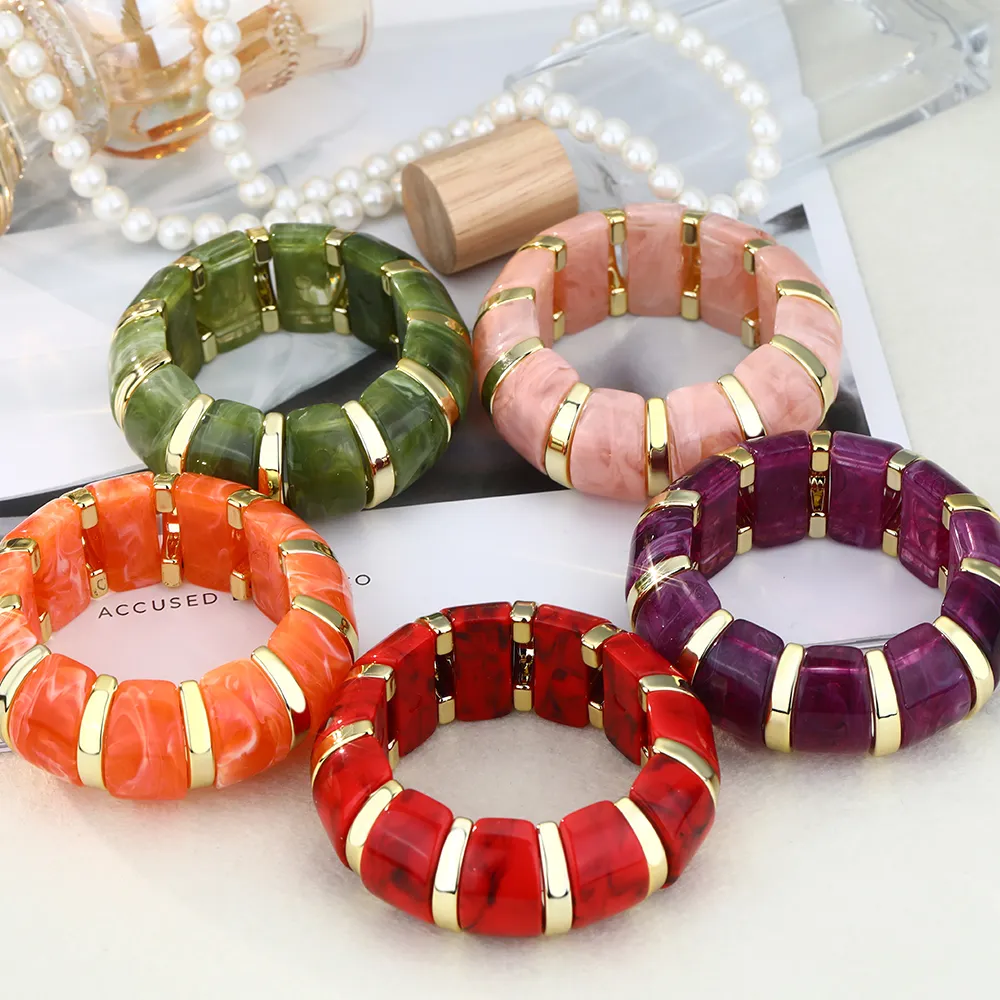
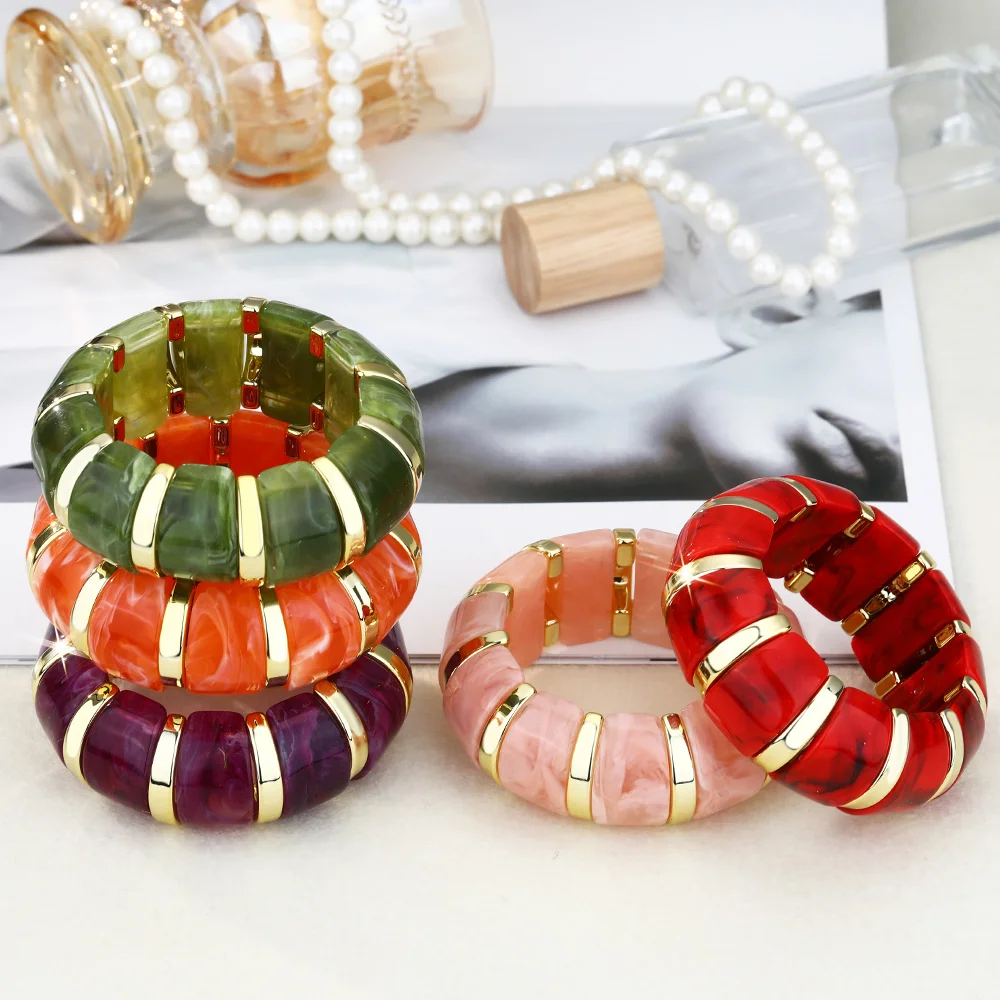
Product 21852 illustrates another type of quantity confusion. Its bracelet menu contains twenty-two numbered labels, including Gold1, gold 2 and Gold06. Those are selectable alternatives. They do not establish that one order unit contains twenty-two bracelets. Give each desired style its own line or an explicitly agreed subline, then ask how the order minimum and packing unit apply.
- Record your requested amount without presenting it as an accepted order.
- Ask what one quoted unit includes.
- Ask whether the minimum applies per selected style, per color, per product or to another agreed basis.
- Keep any mixed-color or mixed-style proposal visible until it is confirmed.
Put material, finish and construction questions beside the selected option
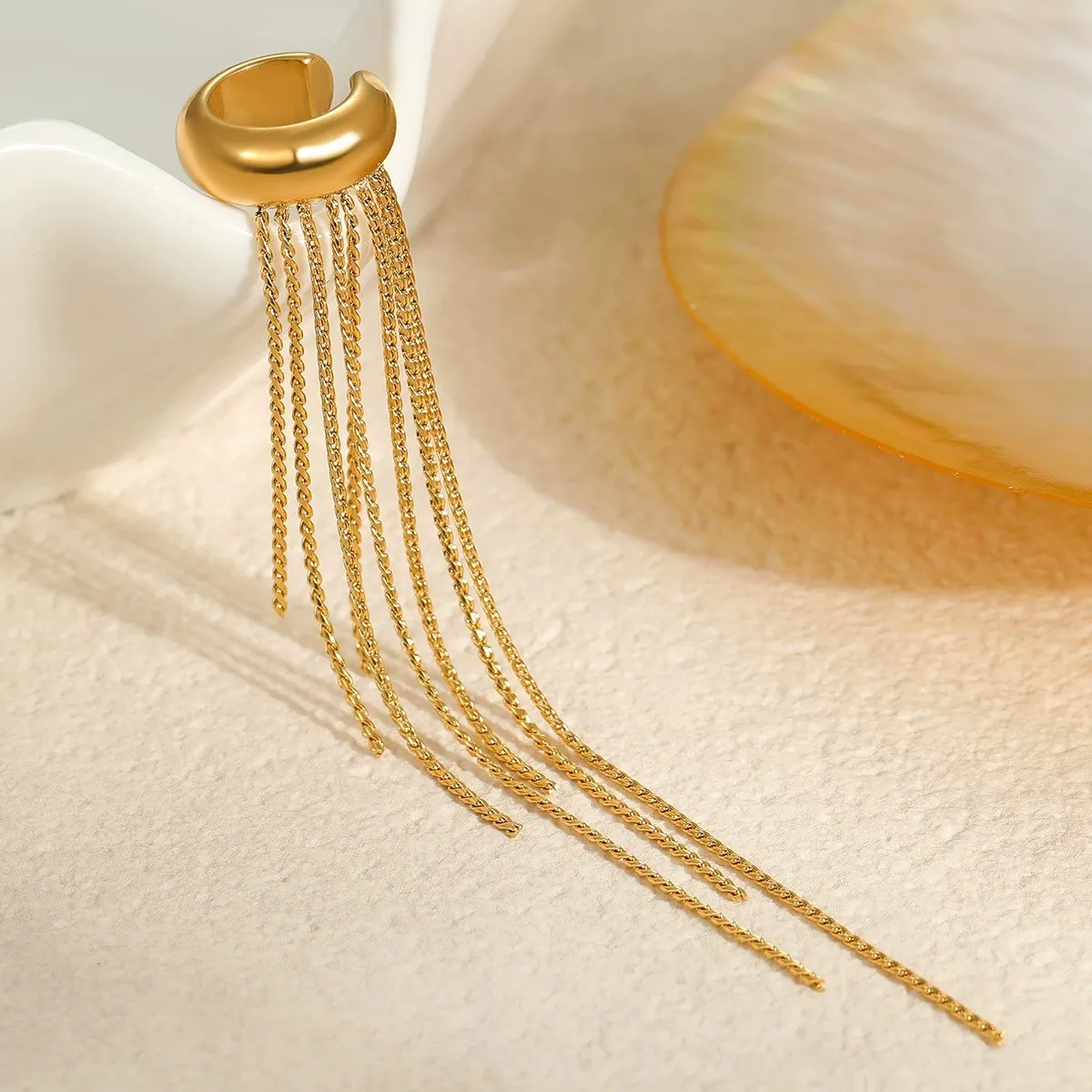
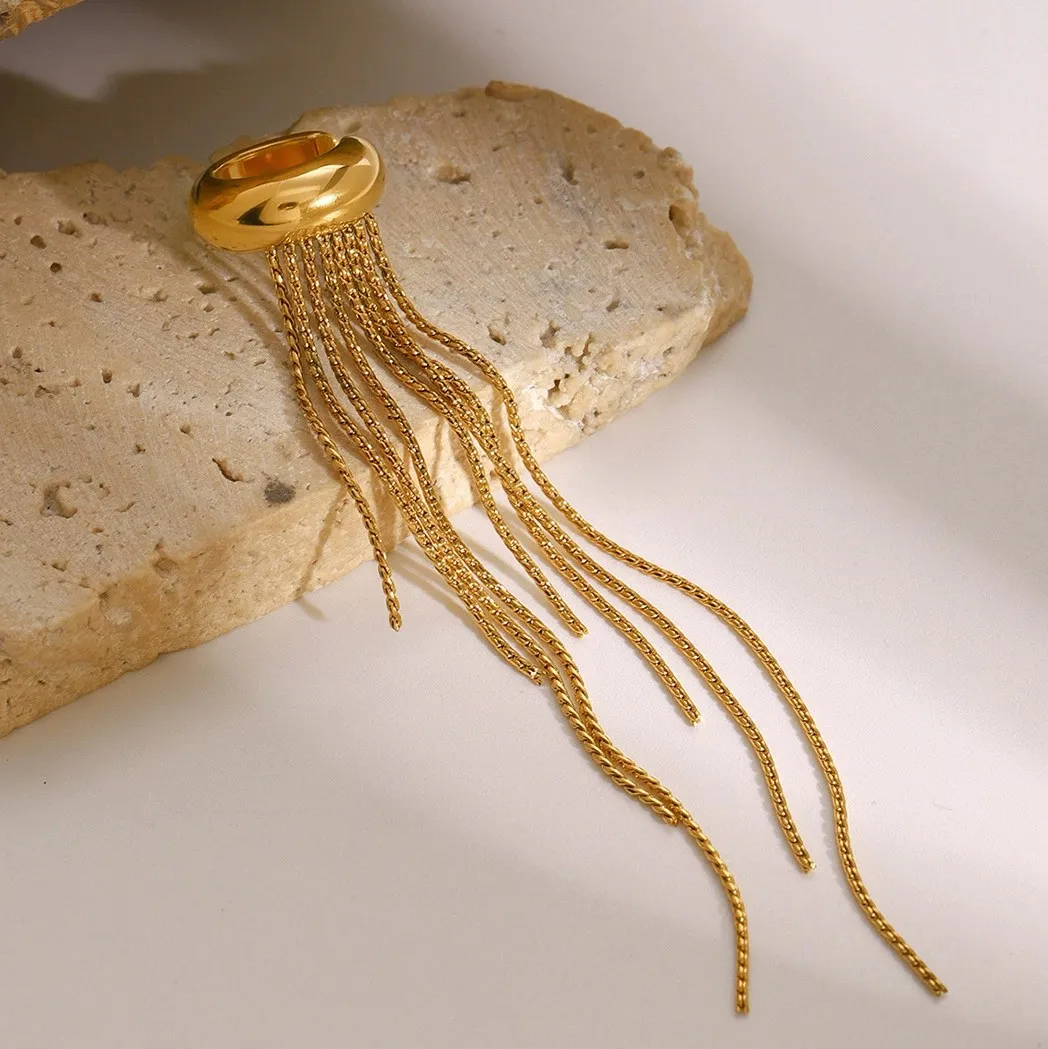
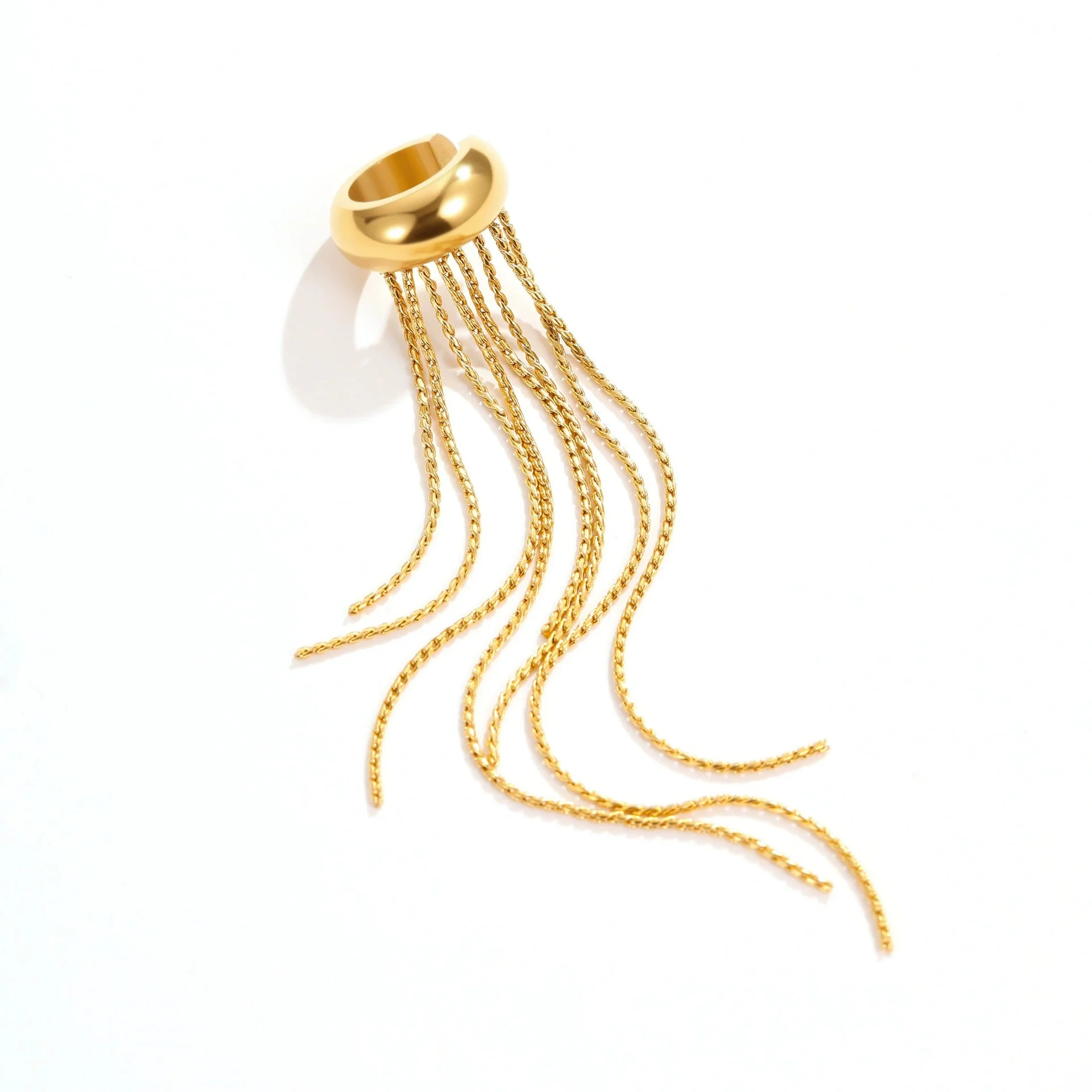
A supplier should be able to tell which item a technical question concerns. For the chain cuff numbered 21853, the option combination is Gold / Hip Hop. The product table lists stainless steel and 18K Gold Plated, with cuff-earring and tassel descriptions. A useful RFQ retains that wording while asking for the dimensions and supplied contents that the buyer still needs.
Do not convert Gold into a claim that the item is solid gold. Equally, do not assume a material label answers the composition of every connection or fastening part. If contact-component information matters to your project, ask which components the stated material covers. Request any supporting information needed for your intended use in a separate evidence field.
Keep questions concrete: “Please confirm the hanging drop and usable cuff opening for Gold / Hip Hop” is easier to answer than “Please send complete quality details.” The former identifies both the selected option and the missing decision information. The latter can produce a general brochure that still leaves the buying question unresolved.
The same approach works for an assortment. Repeating a necessary product-specific question is useful; copying an identical unrestricted material requirement across unlike products can conceal important differences. Review each line against the actual components and the reason your team needs the answer.
Keep catalog selection and proposed customization in different cells
Current selection
Product 21849, Blue-Set Box 7*7cm. Retain the label and the relevant photograph reference. Ask the supplier to confirm the supplied unit and the dimensions that apply.
Proposed change
Buyer requests a logo or a different presentation. Attach the proposed artwork, placement and intended use, then ask about feasibility and the resulting specification.
This separation prevents a common misunderstanding: a changed drawing can accidentally become the only reference, making it unclear which parts of the original product the buyer wanted to retain. Identify unchanged features as well as requested changes. If the box exterior, internal support or closure matters, show which aspect should remain the same and which needs a new answer.
A catalog field welcoming logo or customization enquiries is a reason to discuss the project, not confirmation of a particular application method. Do not assign printing, engraving or another process unless that process has been agreed for the selected construction. Sampling terms, artwork revisions and acceptance criteria belong in the project discussion rather than being silently assumed from an RFQ note.
State destination and evidence needs without assuming approval
Tell the supplier the intended destination market and the intended product use where they affect your specification or document request. Then identify the particular information you need reviewed. A broad statement such as “suitable everywhere” is not a useful evidence request, and this worksheet does not establish legal compliance or market approval.
Match each requested document to a product line, a component or a claim. If the team needs confirmation of the selected material, say so. If it needs a report covering a particular construction, request the actual document and its applicable product identification. A certificate-category field in a listing should not be copied into the sheet as though the report had already been supplied and checked.
Commercial destination details are also distinct from evidence needs. Delivery address, preferred shipment discussion and requested timing can help frame a quotation, but none should be presented as a confirmed route or schedule. Keep the supplier's response attached to the relevant revision of the RFQ so later changes in assortment or packaging do not inherit outdated assumptions.
Review a worked line before sending the full assortment
An incomplete enquiry might read: “Blue boxes like this photo, good quality, best price.” A clearer version reads: “Please quote product 21849, option Blue-Set Box 7*7cm, for the proposed quantity listed in our attached sheet. Please confirm the supplied unit, applicable minimum, whether our proposed color mix is acceptable, and which measurements describe the usable internal space. The logo request is a proposed change, not part of the current selection.”
This version does not need an invented price or an assumed packing count to be useful. It tells the supplier where to start and what must be resolved. For a bracelet line, replace the box option with the exact numbered style, such as Gold06 from product 21852, and ask about that selection's contents and quantity basis. For the cuff, retain Gold / Hip Hop rather than substituting a generic gold earring description.
Five questions for the final check
- Can each attachment be matched to one product line?
- Are complete option labels preserved, including numbers and sizes?
- Are requested quantities separated from supplied contents and minimums?
- Are proposed changes clearly distinguished from current catalog details?
- Does every unanswered technical or evidence question identify the relevant item?
Use the wholesale enquiry checklist for the commercial questions, and the specification and evidence questions for supporting details. When your worksheet is ready, contact Relia with your RFQ and keep the agreed line references in subsequent correspondence.
Send Your Product List