Specify the parts before assigning a material to the whole piece
A jewelry component specification connects each material statement to a named part. Separate the chain, ornament, setting and contact parts before recording the surface finish and decorative details that apply to them.
This approach helps a buyer answer a practical question: does the available information describe the selected item closely enough to support a sourcing decision? A product title may name several materials, while a table may use broad categories. Copying those words into one material cell can hide which part is actually described.
The goal is a clear component map, not an invented technical drawing. Record what the listing states, identify the option you want, and turn missing component assignments into focused questions. The examples below use Relia catalog references and retain their limits. They do not establish chemical composition, plating thickness, a steel grade or the availability of a particular report.
Build a component map that follows the selected construction
Begin with the product as selected, rather than a generic necklace or bracelet diagram. Identify the visible main parts and ask for any hidden connection details that matter to your project. You do not need to name a fastening mechanism that the available information does not establish. “Closure: please identify” is more useful than a confident but unsupported label.
| Part or area | Record separately | Question if unspecified |
|---|---|---|
| Chain or main structure | Catalog material wording and selected length label | Which components does this material description cover? |
| Ornament or pendant | Shape, stated material and decoration | Does its base material differ from the chain? |
| Setting or connection | Only the stated construction description | What material and fastening apply to this part? |
| Contact parts | Parts relevant to the intended wearing construction | What supporting contact-material information is available? |
| Surface | Plating wording, appearance option and relevant component | Which surfaces and components are covered? |
A component map also helps when a purchasing team hands the project to a label writer. The label writer can see whether a statement concerns the chain, a decoration or the complete selected item. Without that distinction, a narrow statement can easily become a broader product claim as the information passes between departments.
Keep color, base material and plating in different fields
Gold and Silver can appear as selectable appearance labels. Their presence in an option menu does not establish that the underlying item is solid gold or silver. Record the exact option first, then read the material and plating fields separately. If the relationship is unclear, ask rather than merging the terms.
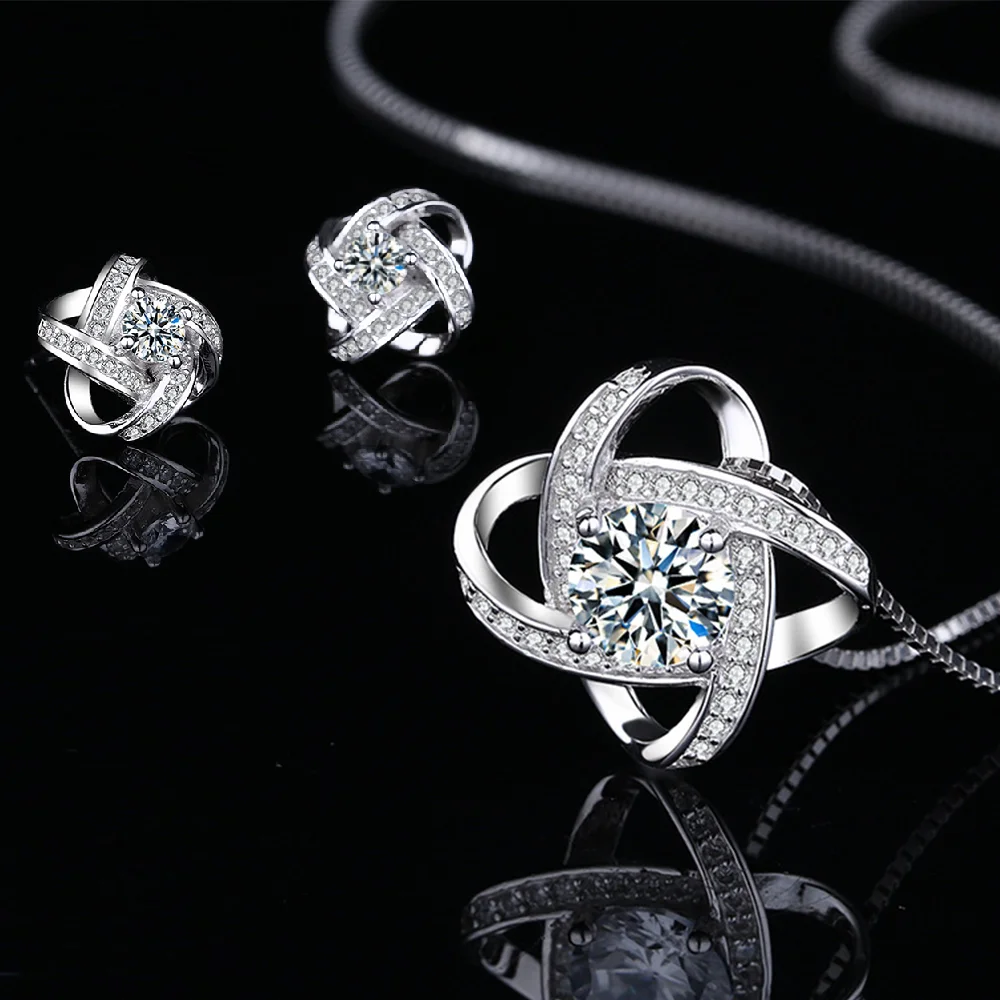
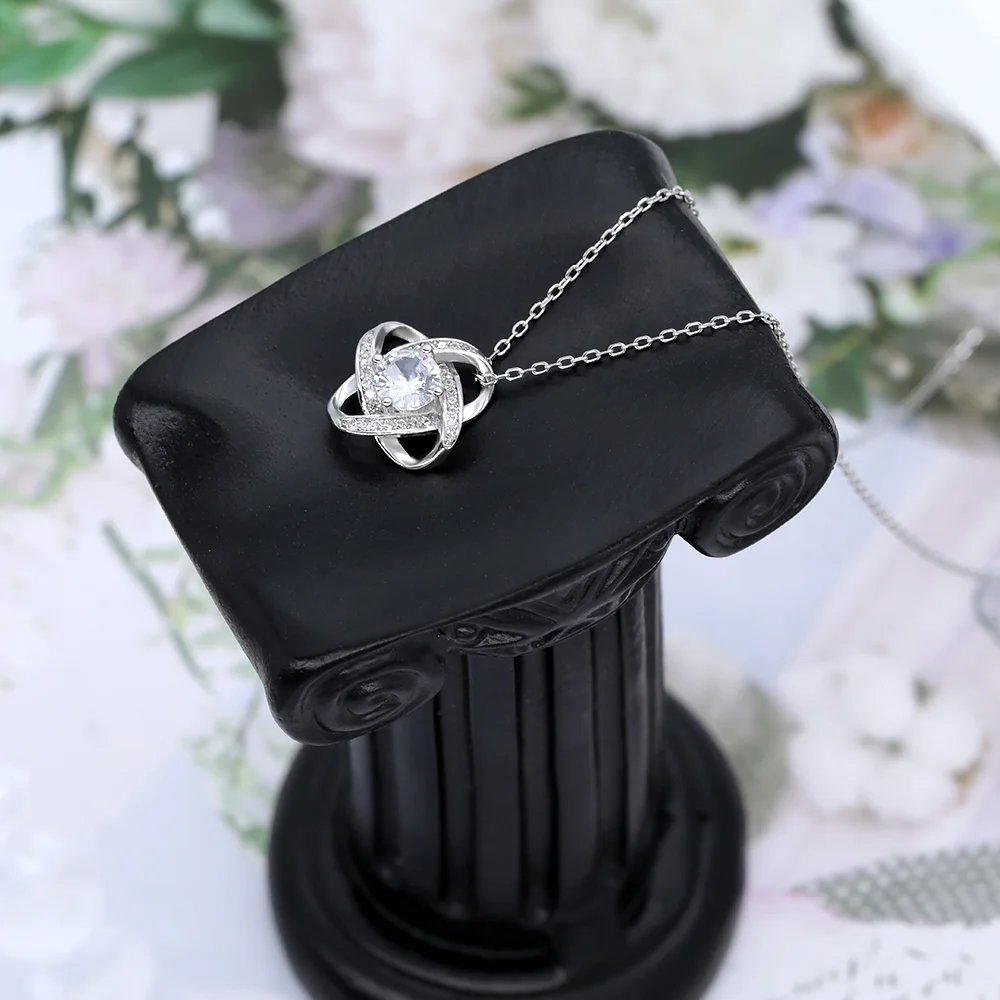
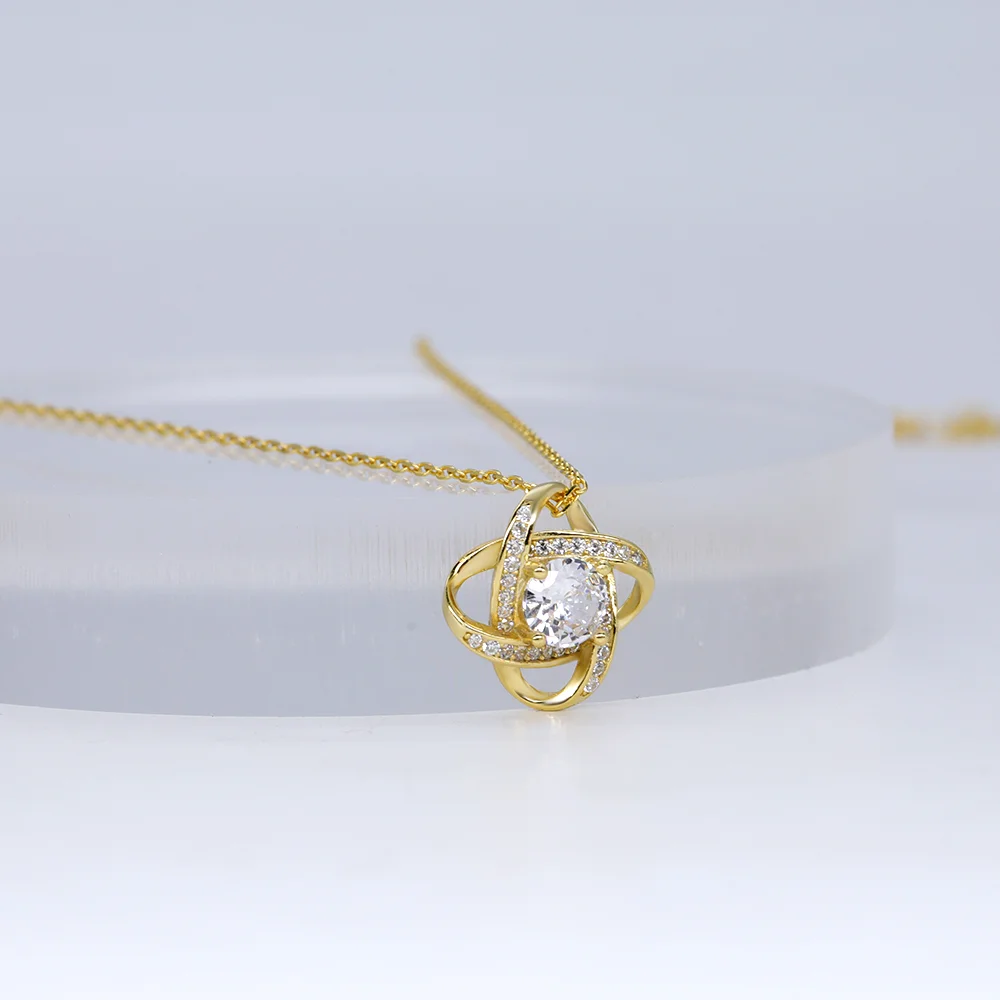
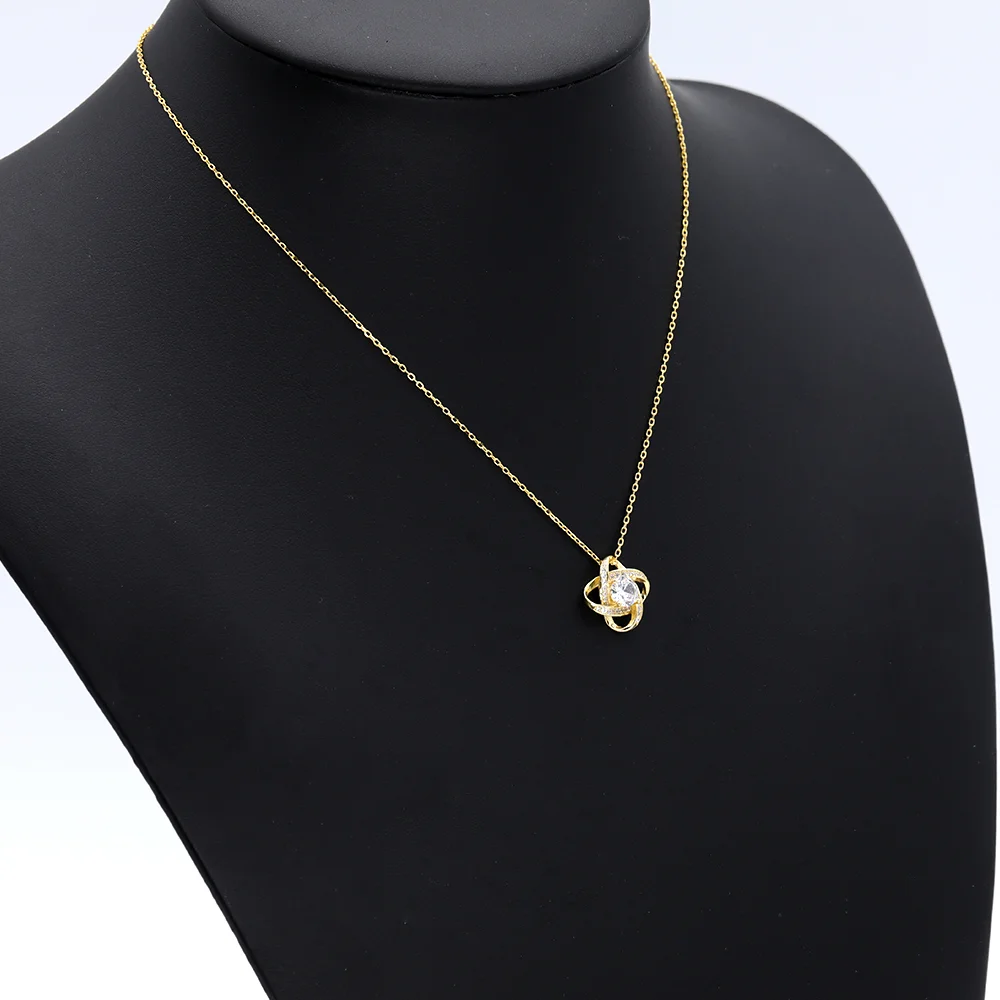
For product 21851, the table states 925 SILVER and includes Silver Plated, Gold Plated in its plating description. Its options combine the length label 18inches with Rhodium, Gold or Earring in the Color field. Preserve those actual labels. The word Earring is an alternative that needs its supplied form clarified; it should not automatically inherit the necklace's length interpretation or be treated as an extra item included with a necklace.
A practical specification might retain “18inches / Gold, product 21851” as the reference, then ask which selected components are described by 925 silver and how the listed plated finish applies. For “18inches / Rhodium,” the appearance label should remain visible while any finish-specific statement is checked. Do not turn the option name alone into a technical coating specification.
One row, one role. Base material describes the relevant part; plating describes its stated surface treatment; color identifies the chosen appearance. An answer in one field should not silently fill the others.
Read stainless steel and Titanium Steel without adding a grade
Stainless steel is a material description in several Relia listings. It is not, by itself, a named grade or a complete composition record. A buyer who needs a specific grade should state that requirement and ask what evidence applies to the chosen item. Do not insert 316L into the brief simply because the product belongs to a familiar jewelry category.
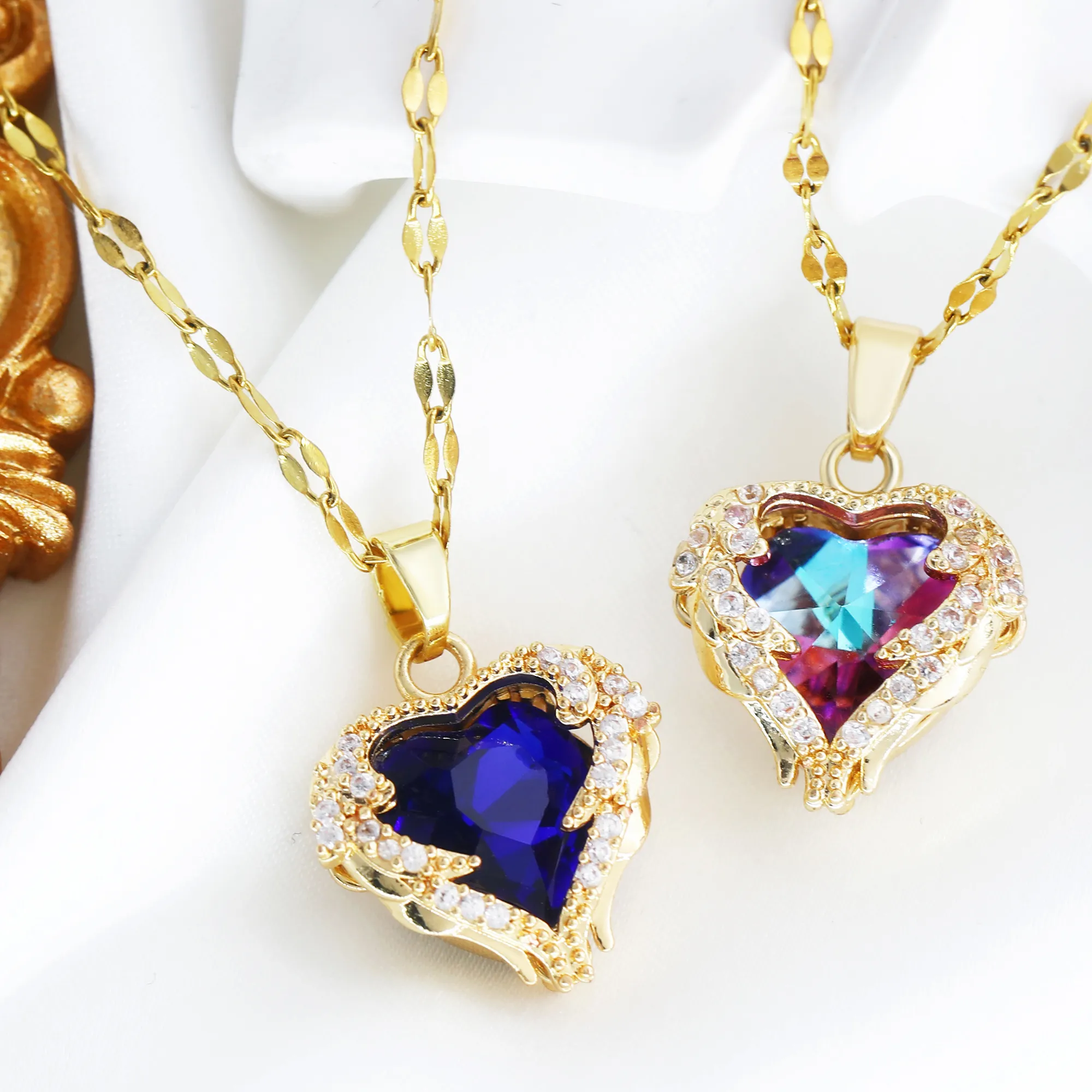
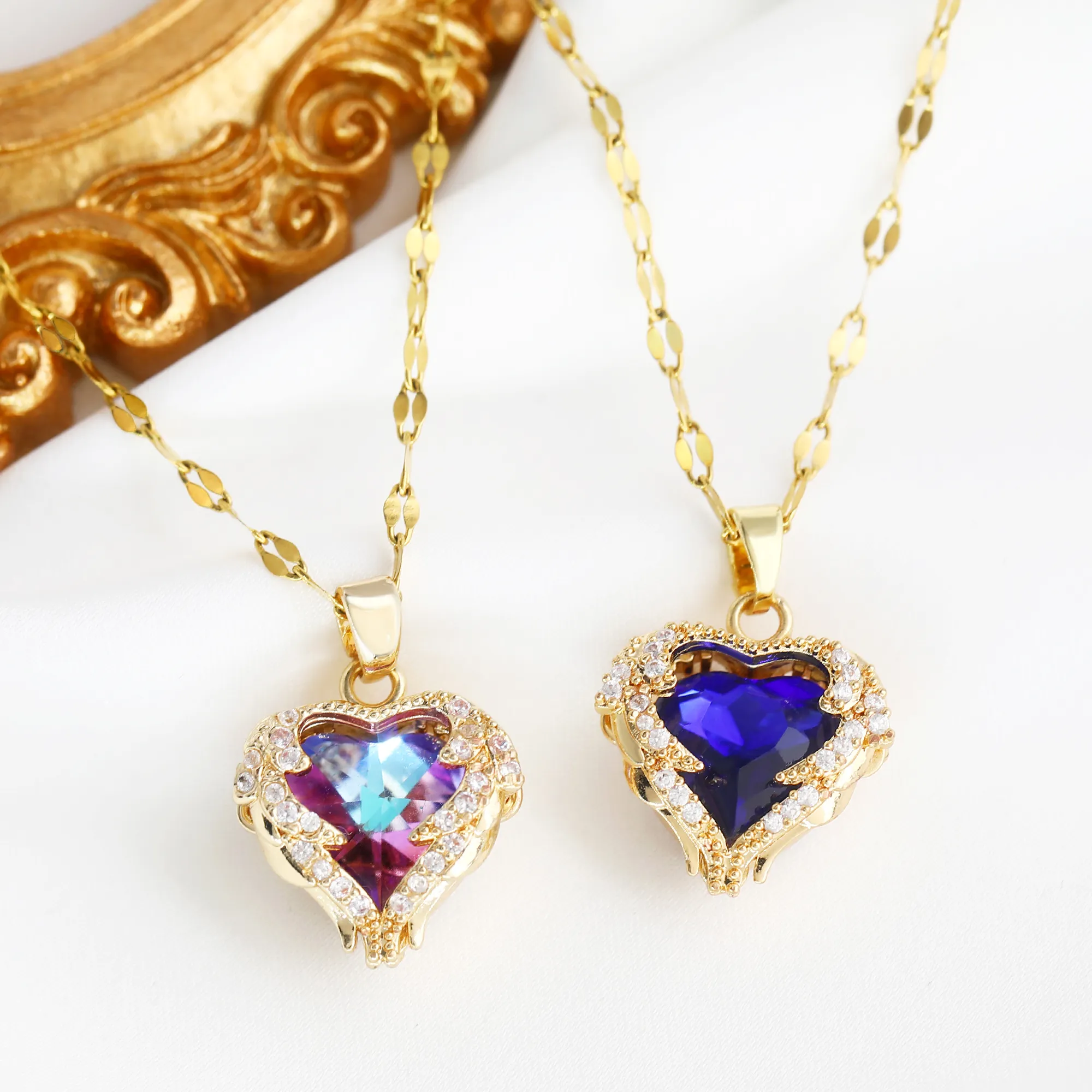
Product 21971 is a useful example of why the component question matters. Its title refers to a stainless steel chain and a heart-shaped zircon pendant. The table lists Jewelry Main Material as Stainless Steel, while Material Type reads Brass/Titanium steel. Those statements need to remain visible together. The slash wording does not explain which component uses which material and does not establish two selectable metal versions.
The actual options are 40cm+6cm / classic / Blue and 40cm+6cm / classic / Pink. Neither option menu identifies a steel grade or a base-metal choice. A focused enquiry asks the supplier to map the listed material wording to the chain, pendant and other relevant parts for the chosen color. It also asks which interpretation should appear in the final agreed specification.
Titanium Steel should not be rewritten as pure titanium. In this example it is preserved as catalog wording that needs a component assignment. Keeping the original expression and asking a precise question is more accurate than choosing the most attractive interpretation for a customer-facing description.
Use 925 silver descriptions within their actual scope
The 925 SILVER wording for product 21851 is a source-backed material description that a buyer can retain. The table also states purity as 925. That does not supply the mass of precious metal: its Weight of precious metals entry reads Silver rather than a numeric weight. Do not convert that field into a gram figure or treat a total item weight as a silver-content calculation.
For a buyer needing supporting documentation, identify the selected option and the exact statement to be supported. Ask whether the record concerns the complete item, a component or a sample. The presence of Third Party Appraisal in the certificate category does not mean the actual appraisal has already been provided, nor does it describe its scope.
Keep the material description and the document request in separate worksheet columns. This avoids two unhelpful extremes: discarding ordinary source information because no document is attached, or treating that source information as if it already included every verification your project may need. The useful next step is to request the missing detail for the selected version.
When your assortment includes both plated appearances and different forms, review each selection independently. A statement confirmed for one pendant option should not automatically be applied to an option labeled Earring, or to another product using a different base material.
Give decoration its own line instead of hiding it under metal
Ornament material
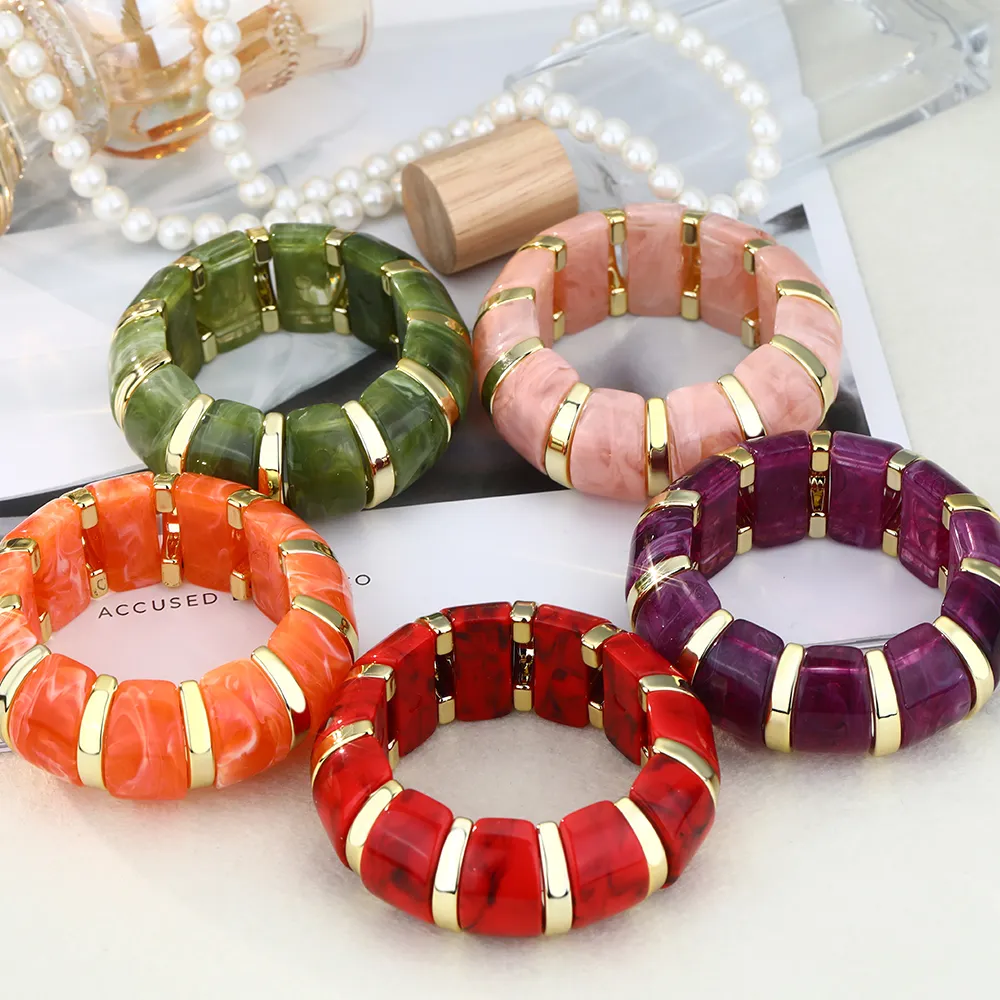
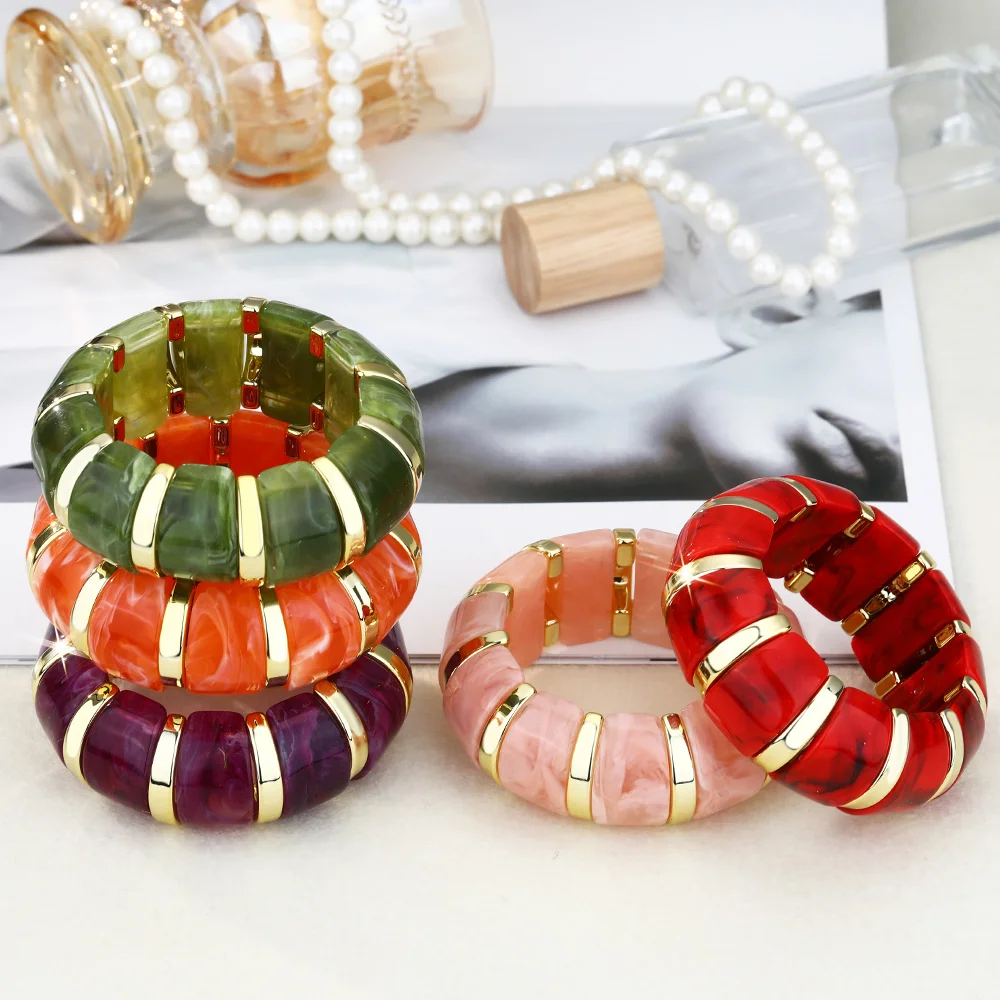
Product 21852 lists Acrylic, Resin, Lucite alongside a Material Type of Zinc Alloy. Preserve the different entries and ask how they map to the selected numbered style.
Decorative direction
The same product table lists Crystal, Rhinestone and Imitation Pearl. These series-level descriptions do not establish that every selected style contains every listed decoration.
The bracelet's twenty-two alternatives make that distinction important. If you select Gold06, name that exact label and ask which ornament and decorative materials apply to it. A general table is not a reason to add an imitation pearl to the specification of a style that has not been confirmed to contain one.
Similarly, a zircon description should remain a zircon description. A shape field headed Diamond shape does not transform the listed decoration into a diamond. For product 21971, Main Stone is ZIRCON and the shape wording is Heart Cut. Keep the stone identity and the shape in separate fields so a familiar table heading does not upgrade the claim.
If another selection includes ceramic or another decorative material, add a dedicated component row rather than treating it as part of the metal finish. The same worksheet principle works across materials: identify the part, preserve the stated description, and request the missing assignment. It does not require making unsupported material-science comparisons.
Turn incomplete fields into a short selected-product enquiry
Consider this working note for product 21971: “Selected reference: 40cm+6cm / classic / Blue. Catalog wording includes Stainless Steel and Brass/Titanium steel; please identify the material of the chain, heart ornament and relevant connections. Main Stone is listed as ZIRCON. Please confirm the finish applying to this selected version and provide any supporting information needed for the intended product statement.”
The note is deliberately specific. It does not choose a base metal for an unidentified part or assume the Blue option is a separate metal construction. It allows a supplier to correct or complete the component map in one response. Once the answer is received, retain it with the product reference and the date or revision of your specification.
For product 21851, the equivalent enquiry might focus on the components covered by 925 SILVER, the selected plated appearance and the actual form supplied for an unusual option label. For 21852, the enquiry should resolve the numbered style's decorative composition before a buyer writes an assortment-wide material description.
Before approving the description
- Can every material statement be traced to the relevant selected product or confirmed component?
- Have appearance labels been kept separate from solid-metal claims?
- Are broad series descriptions prevented from becoming universal per-style statements?
- Are grade, thickness, contact performance and supporting documents still questions where unspecified?
- Has any disagreement between fields been resolved explicitly rather than edited away?
Finish with care and evidence questions that match the construction
A component specification is also the place to request the care information needed for the chosen finish and decoration. Ask for product-specific guidance rather than inventing a cleaning recipe or a universal durability promise. Different components may need different handling information, and the catalog material label alone does not answer every care question.
If your intended use requires contact-material evidence, identify the relevant parts and ask for the available record. Avoid turning general material terminology into an allergy guarantee. The purpose of the enquiry is to obtain the information your team needs, then keep the resulting description within the evidence actually supplied.
Use the materials and finish guide to organize the discussion, and the product-specific evidence checklist to distinguish catalog statements from supporting documents. To move a selected item forward, ask about your chosen components with the product link, full option label and component worksheet.
Discuss the Selected Material Requirements