
01 / 10 · Wholesale jewelry
Preparing a Repeat Jewelry Order
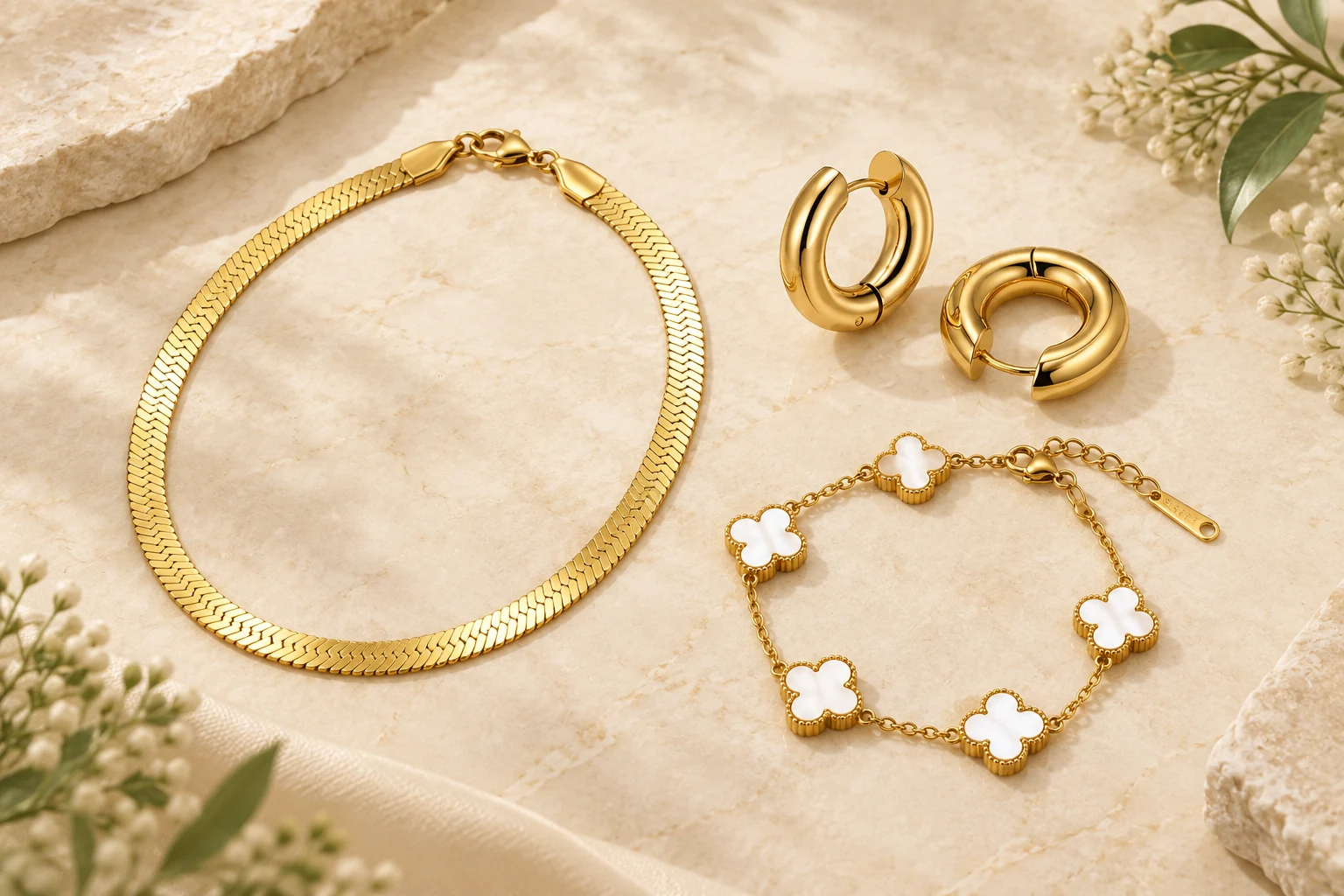
We are a jewelry factory in Qingdao, China. A repeat order should begin with the version you previously accepted, not a fresh selection from a broad product name. We recommend comparing the new request with your last order and retained reference before changing quantities or adding variants.
This is different from first production. You already have a commercial and physical baseline: the product supplied, the complete option names and your receiving experience. Use that evidence to decide whether you want an unchanged repeat, a revised version or an expanded range.
02 / 10 · Buyer guide
Identify the Exact Reorder Combination
Our six-sided Cuban-chain range has six Gold/Silver millimeter labels and five centimeter lengths, giving thirty actual combinations. Gold has 6mm and 8mm options; Silver also has 10mm and 12mm choices. A reorder described only as the gold Cuban chain leaves important selection details open.
The same principle applies to Link and Weaving Knot bands, where design, color and size vary independently. Use the previous order line as the starting point. If you want a new width or pattern, mark it as an addition rather than assuming it is part of the unchanged repeat.
Identify the Exact Reorder Combination
- Cuban chainColor/millimeter label and length · Gold does not list 10/12mm
- Pattern bandLink or Weaving Knot, color, size · Sizes 7–10 are separate choices
- Chunky hoopGold or Silver, 5.0×20mm · One listed size direction
- Previous orderAccepted reference and quantity · A collection nickname is insufficient
03 / 10 · Buyer guide
Compare Appearance Under Similar Conditions
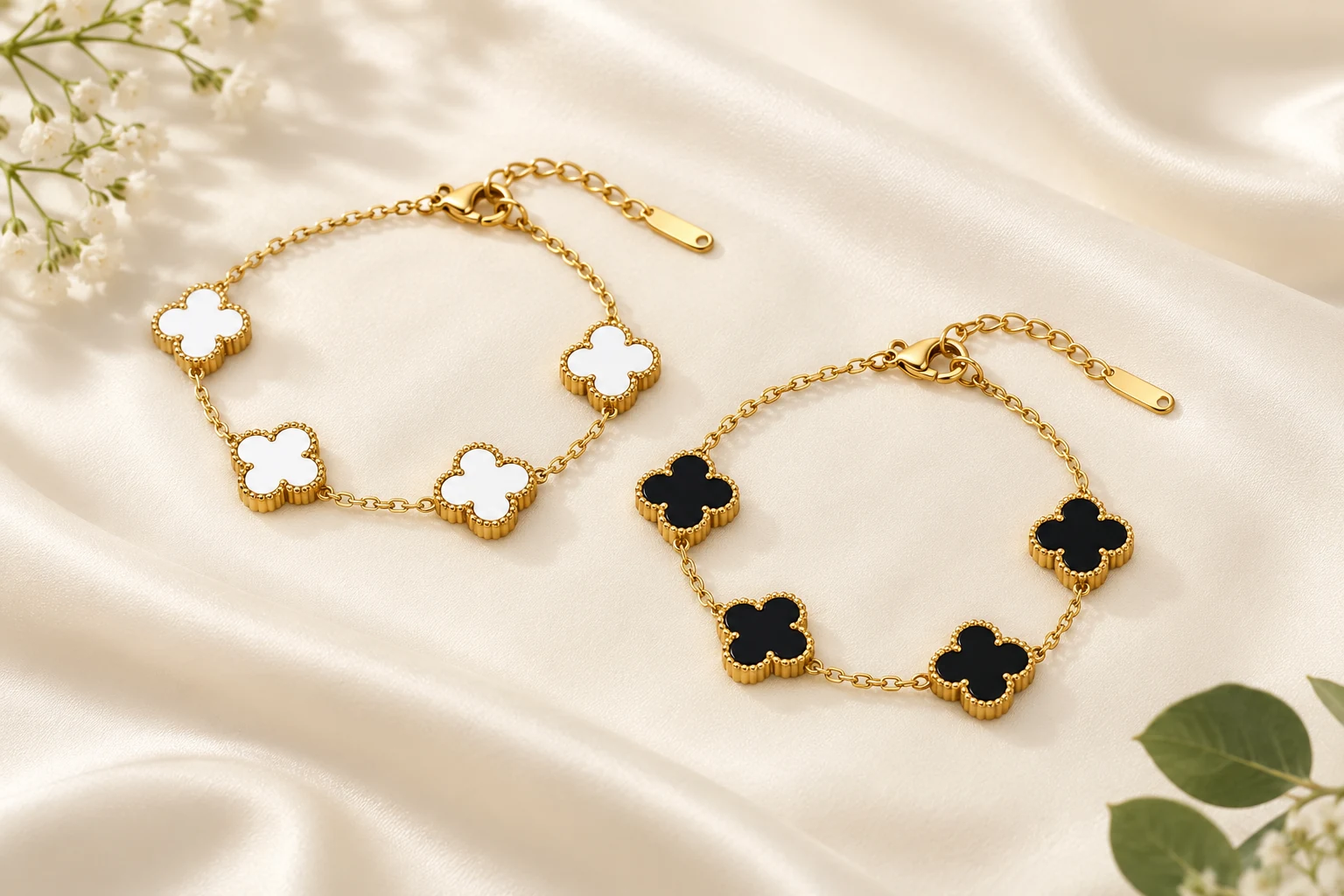
Metal color and surface texture are easier to compare when the earlier piece and the proposed repeat are viewed together under similar light. Use a physical reference where available and keep photographs as supporting records. A photograph taken with a different background or exposure can exaggerate a small visual difference.
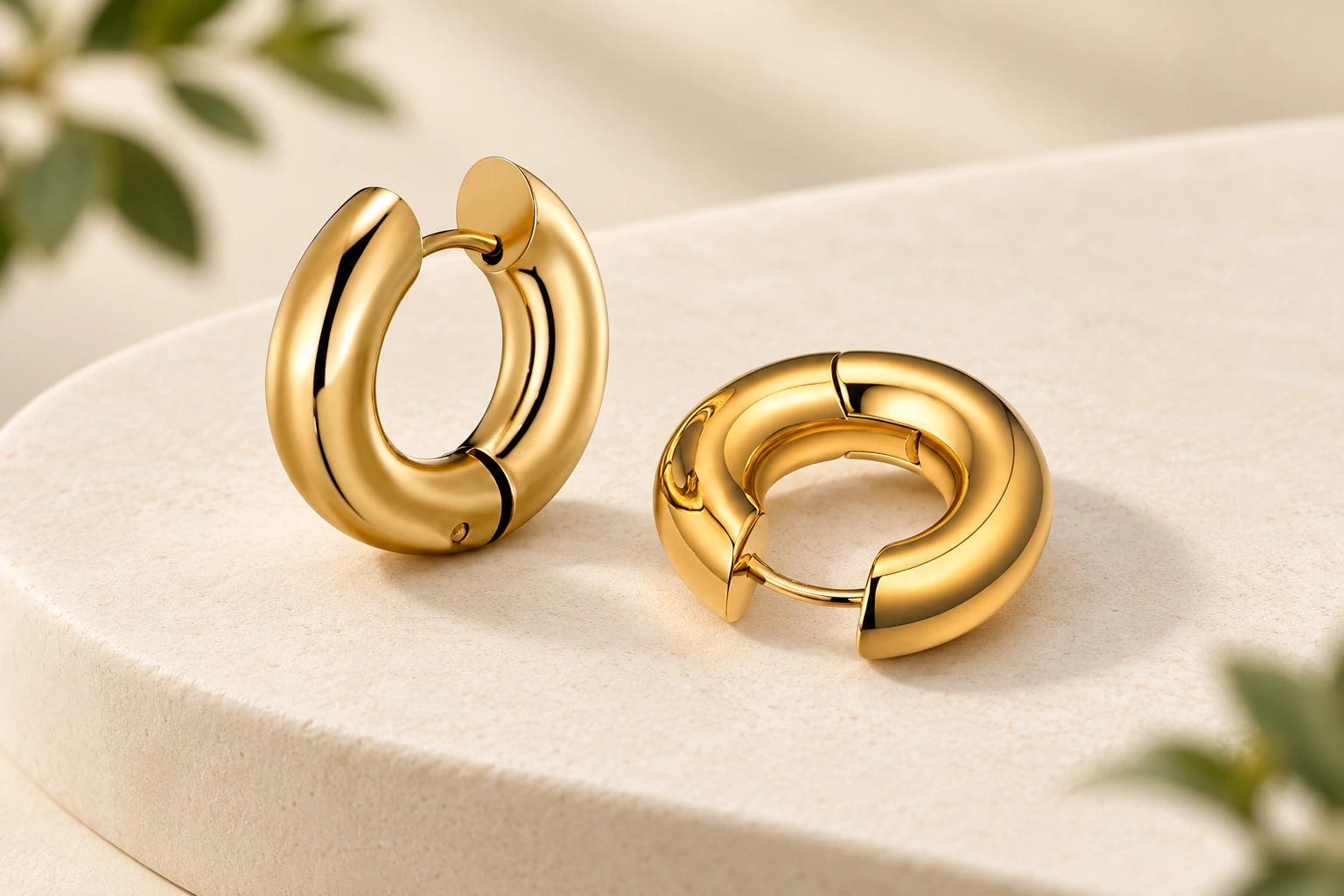
For the Cuban chain, compare the six-sided polished profile as well as the metal tone. For a chunky hoop, compare the rounded tube outline and closure. A color match alone does not show that the construction remains the version you bought previously.
04 / 10 · Buyer guide
Check Length and Fit Before Increasing Quantity
The Cuban-chain range lists 17, 18, 19, 20 and 21cm. Keep those centimeter choices literal; they are not long necklace lengths simply because the wider range name mentions necklaces. For the sized bands, retain the selected size convention and fit reference from the previous order.
A quantity increase is a commercial change, while a dimension change is a product change. Treat them separately. If a previous size distribution did not suit your stores, revise the size quantities without accidentally changing the ring pattern or metal-tone selection at the same time.
Check Length and Fit Before Increasing Quantity
- Chain length17–21cm, five choices · Same finished-length definition
- Chain profileSix millimeter/color labels · Same selected section and appearance
- Band fitSizes 7, 8, 9, 10 · Same sizing convention
- Hoop scale5.0×20mm label · Same wearing geometry
05 / 10 · Buyer guide
Separate Unchanged Repeats from Improvements
A repeat order can include learning from the first batch. You may want a different size allocation, a clearer variant label or a revised presentation. These changes should remain visible rather than being hidden inside a statement to repeat everything.
Keep the accepted jewelry construction as the baseline and list the proposed improvements beside it. A packing-label change does not need to reopen the chain shape. A clasp revision does need a construction review. This distinction helps you preserve the parts that worked while giving the requested improvement a defined scope.
Separate Unchanged Repeats from Improvements
- Unchanged repeatAccepted product version · New quantity and availability
- Size allocation changePattern and finish · Quantity by size
- Packing improvementJewelry construction · Label or grouping proposal
- Hardware revisionUnchanged design features · New component and sample scope
06 / 10 · Buyer guide
Use Receiving Findings to Improve the Next Specification
Your previous receiving record can identify the most useful points for the next order. Keep findings specific: a variant-count discrepancy, a closure issue and a visible surface mark are different problems. Their remedies may involve identification, component construction or handling rather than the same generic response.
If you previously accepted the goods with an agreed exception, carry that decision into the new discussion instead of allowing it to become an unstated permanent standard. A repeat order should reflect the version you want now, with any accepted difference and requested improvement clearly distinguished.
07 / 10 · Buyer guide
Make Any Substitution a Visible Decision
A component change can matter even when the front appearance seems similar. The Cuban chain specifies stainless steel and 18K-gold-plated direction, while Gold and Silver are actual appearance choices. The selected closure and small connecting parts still belong to the version being repeated.
If an alternative component is proposed, compare its effect on appearance, fit, material description and operation. Do not treat a visually close replacement as automatically equivalent. The decision should identify whether you accept the change for this order only or want it to become the new reference.
Make Any Substitution a Visible Decision
| Proposed difference | Compare with the old version | Possible order decision |
|---|---|---|
| Closure | Operation and usable length | Accept, revise or retain original |
| Finish | Appearance and selected coating | Approve the specific alternative |
| Connecting part | Material and profile | Check effect on assembly |
| Presentation | Selling-unit identification | Update packing reference only |
08 / 10 · Buyer guide
Keep Lot Review Distinct from Long-Term Consistency
A review of one incoming lot cannot by itself prove that every future batch will be identical. NIST distinguishes a lot-acceptance decision from ongoing quality control. Use the previous batch as a practical comparison, while agreeing the review arrangements for the new order itself.
For your replenishment plan, keep the product reference and the new lot decision together but separate. You can compare the accepted sample, previous supply and current goods without making an unsupported promise of zero variation. The useful aim is an agreed product and a clear response when a relevant difference appears.
Further reading: NIST acceptance sampling.
Keep Lot Review Distinct from Long-Term Consistency
- Accepted sampleChosen product direction · Every later unit is identical
- Previous batchActual supplied baseline · Unchanged future availability
- New-lot reviewDecision for that order · Permanent certification
- Change recordAccepted revision history · Unrecorded substitutions
09 / 10 · Buyer guide
Plan Core Replenishment Separately from New Variants
A core repeat and a range extension have different purposes. Replenishing the selected Gold hoop maintains a known line. Adding Silver tests or expands a color direction. Reordering the same band size is different from opening a new size distribution.
We recommend separating those groups in your purchase proposal. That makes it easier to see which quantities support an established range and which require new selection decisions. A new variant can still be a sensible addition, but it should not borrow the previous version's approval simply because it shares the same product page.
10 / 10 · Buyer guide
Send a Repeat Request with a Clear Comparison Baseline
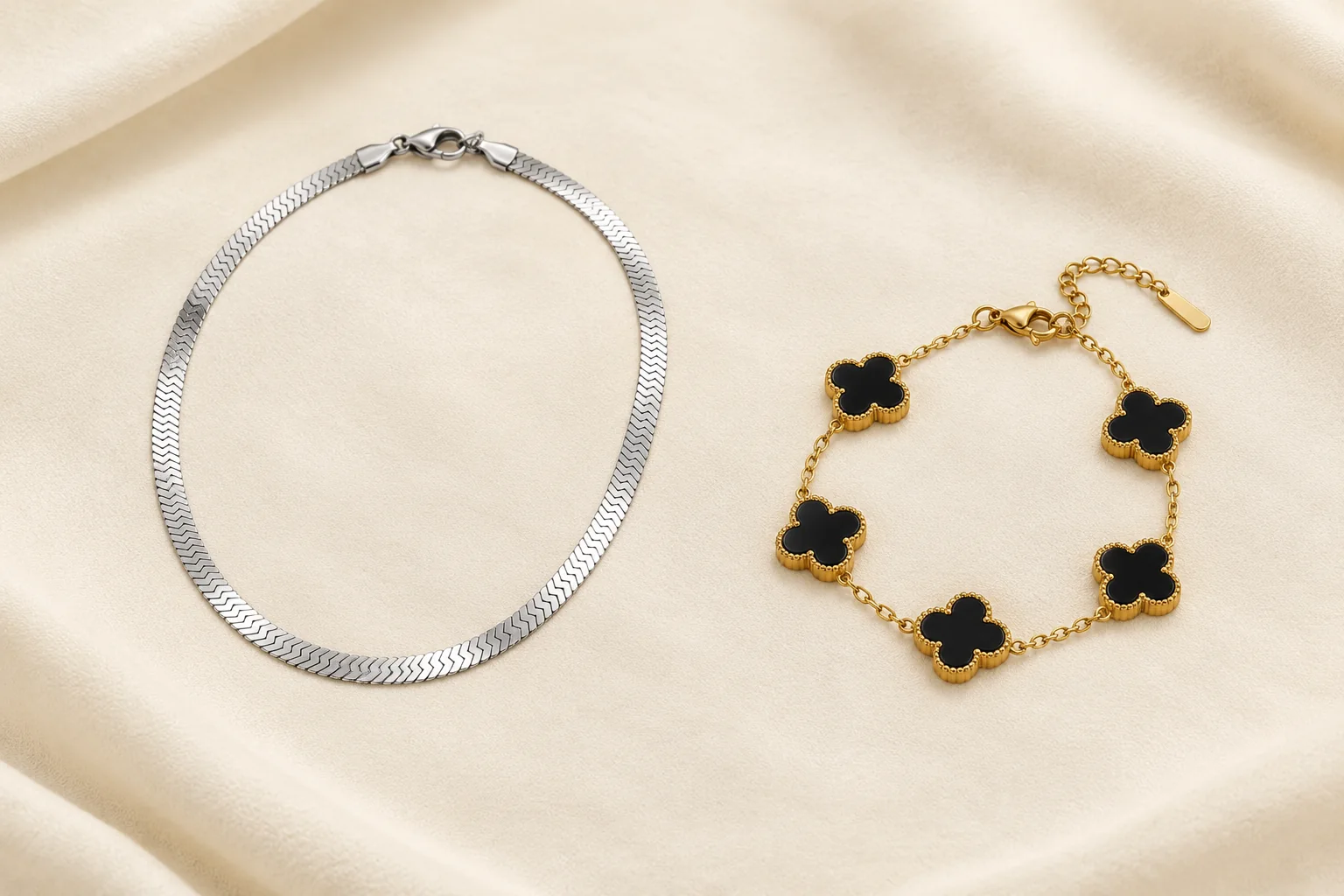
Send the previous order reference, exact product options and new quantities, together with any retained sample or accepted images. Add a short list of changes, or state that you want the same specified version. We can discuss the current repeat arrangement and any differences that need review.
For the Cuban chain, keep the full color, millimeter label and centimeter length. For patterned bands, keep design, color and size. This gives the replenishment conversation a reliable starting point without reopening every design choice or assuming that a broad catalog name defines the product.
Send a Repeat Request with a Clear Comparison Baseline
- Established corePrevious exact version and new quantity · Current commercial terms
- New variantNew color, size or design · Specific comparison or sample
- Requested improvementDefined difference from baseline · Unchanged approved features
- New referenceAccepted revision if any · Historical order record